Song Meaning
The lyrics paint a portrait of a captivating woman, referred to as "Femmena," who possesses a striking presence and an inner strength that the narrator deeply admires. The opening lines immediately establish her as someone who has weathered time, finishing the century with "a few more wrinkles" but becoming "more woman." This suggests a journey of experience that has refined her, rather than diminished her. Her expressive hands, "in the hair," and her tendency to "scream" are presented not as flaws, but as compelling aspects of her personality that the narrator finds attractive. The narrator explicitly states, "I like it when you scream," and "Talk to me again," indicating a fascination with her raw, unfiltered expression.
The core of the narrator's sentiment lies in a profound admiration bordering on envy. "I, who love in my own way, would like to resemble you a bit / To no longer be afraid." This reveals a deep-seated insecurity in the narrator, who sees in the "Femmena" a model of courage and self-possession. The repeated plea, "Stay like this, my baby / If you're tired, don't speak / Stay like this, my baby / I beg you, don't change," underscores this desire for her to remain an unchanging beacon, a stable point of reference against the narrator's own perceived fragility.
The lyrics highlight the magnetic effect this woman has on others. "Through the street they turn around / For these green eyes and this soul / You make them turn around." Her allure is not just in her appearance but in her very essence, her "soul." She is also depicted as someone with a profound understanding of life, capable of seeking solitude and knowing "when it's useless" and how "to give up." This nuanced portrayal of strength—knowing when to fight and when to yield—further solidifies her as an ideal figure for the narrator.
Ultimately, the effectiveness of these lyrics stems from the raw, almost desperate yearning they convey. The narrator's love is described as "my way," implying it might be unconventional or perhaps less assured than the object of their affection. The repeated commands to "stay like this" and "don't change" are not just requests but pleas born from a need for stability and a desire to absorb some of the "Femmena's" perceived fearlessness. The narrator's own hurried existence, "always in a hurry," contrasts sharply with the grounded presence of the woman, making her an aspirational figure who embodies a kind of peace the narrator desperately seeks.
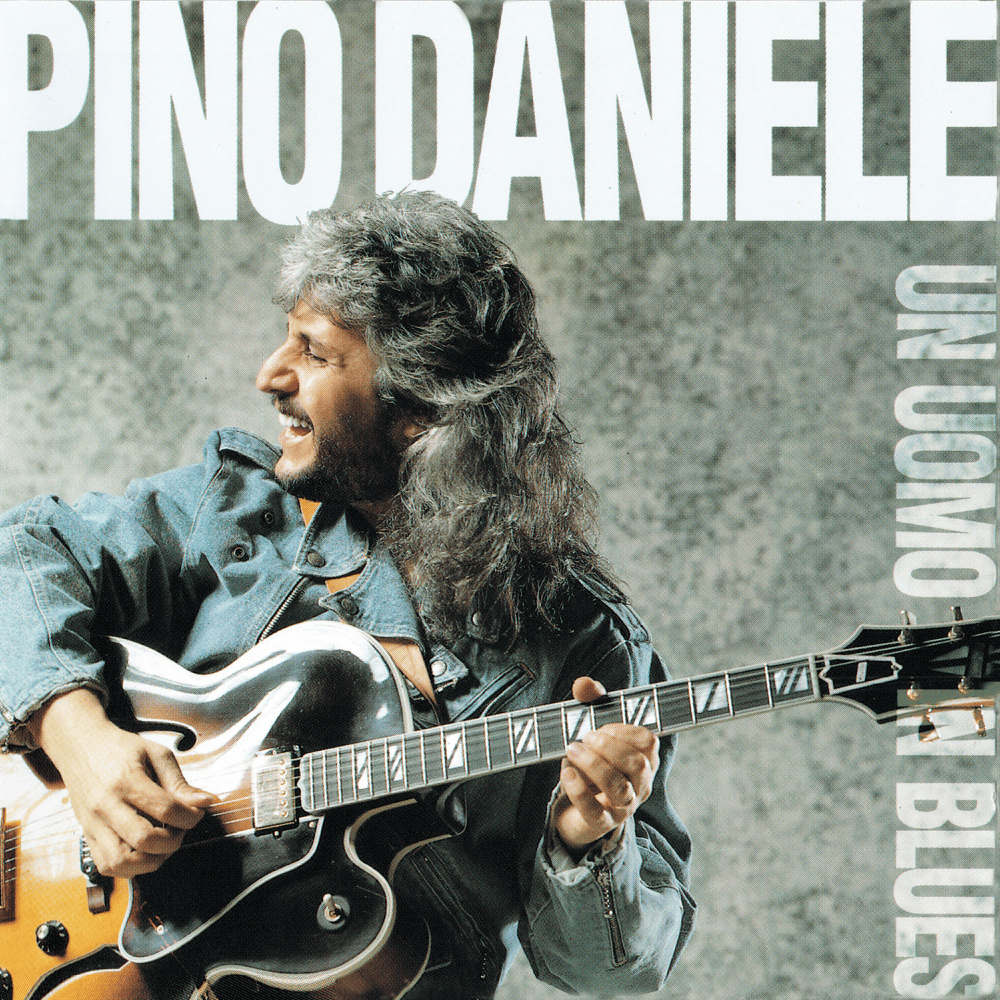
 View Artist