Song Meaning
The lyrics paint a portrait of a young person, referred to as "chillo," who is fundamentally good-hearted but lives a life marked by societal judgment and personal struggle. The opening lines establish a nocturnal existence, working under a streetlamp, which immediately sets a tone of hardship and perhaps hidden activity. This initial image of a "good boy" is then juxtaposed with a deeply personal aspect of his identity: his desire to be a woman, hinted at through wearing his sister's clothes "for fun." This contrast between outward perception and inner reality is central to the song's emotional core.
The central tension arises from the conflict between "chillo's" inherent goodness and his perceived difference, which leads to external scrutiny and internal pain. The repeated phrase "Chillo è nu buono guaglione" (He is a good boy) acts as an anchor, emphasizing his positive nature despite the challenges. However, the lyrics reveal the harsh reality of his situation: he feels unwell when people stare on the street, and he is saving money for an operation, suggesting a desire for physical transition. This creates a poignant picture of someone striving for self-acceptance in an unaccepting world.
The most striking aspect of the writing is the direct, almost matter-of-fact presentation of deeply personal desires and societal reactions. The lyrics state plainly that he "wants to be a lady" and that he "still believes in love," highlighting a vulnerability and a hopeful spirit that persists despite the difficulties. The mention of saving money for an operation underscores the urgency and the decisive action required for his personal fulfillment, framing his journey as one of necessary transformation rather than mere whim.
Ultimately, the effectiveness of these lyrics lies in their unvarnished portrayal of a complex identity and the societal pressures that accompany it. By repeatedly affirming "chillo's" fundamental goodness while detailing his struggles and aspirations, the song evokes empathy and a recognition of the human desire for authenticity. The contrast between the simple, almost childlike belief in love and the serious, life-altering decision of an operation creates a powerful emotional resonance, making the listener confront the often-unseen realities of those who live on the margins.
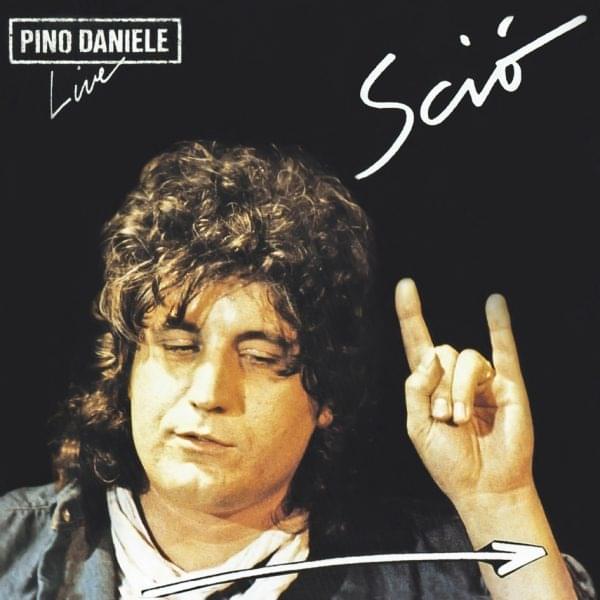
 View Artist