Song Meaning
The lyrics paint a picture of quiet melancholy, a mood established by the simple, almost mundane details. The opening lines, "Un po' d'uva ed un liquore" (A bit of grapes and a liqueur), set a scene of solitary indulgence, perhaps a moment of reflection. This is quickly followed by "I tuoi passi sulle scale" (Your steps on the stairs), hinting at a presence, or more likely, the memory of one, that has now departed. The desire to "cambiare con un po' d'aria di mare" (change with a bit of sea air) speaks to a yearning for escape from this stagnant atmosphere.
The second stanza introduces a more concrete sense of loss and creative stagnation. The "motel sull'autostrada" (motel on the highway) suggests a transient, impersonal space, a stark contrast to the implied domesticity of the first stanza. The "lacrima sciupata" (spoiled tear) feels like a tear shed long ago, now dried and meaningless, a symbol of prolonged sadness. The departure of "una donna" (a woman) is stated plainly, leaving behind only "un foglio e una matita" (a sheet of paper and a pencil) – the tools of expression, now unused.
The third stanza juxtaposes past bitterness with present sensory details. "Un passato quasi amaro" (an almost bitter past) is softened by the present moment's offerings: "coriandoli e parole" (confetti and words), the recurring "uva ed un liquore," and "musica elegante" (elegant music). Yet, this is undercut by the "sigaretta spenta" (extinguished cigarette) and the "pioggerella lenta lenta lenta" (slow slow slow drizzle), creating a feeling of unresolved melancholy. The repetition of the motel imagery in the fourth stanza reinforces the sense of being stuck in a loop of transient, lonely experiences.
The repeated refrain, "Un po' d'uva ed un liquore," becomes an anchor in the lyrical landscape, a ritualistic comfort in the face of emotional inertia. It’s a small, self-contained pleasure that offers little true solace but serves as a constant, quiet companion to the narrator's introspection. The fading out with the "pioggerella lenta lenta lenta lenta lenta" emphasizes the lingering, pervasive nature of this gentle sadness, a mood that doesn't resolve but simply continues to fall, softly and endlessly.
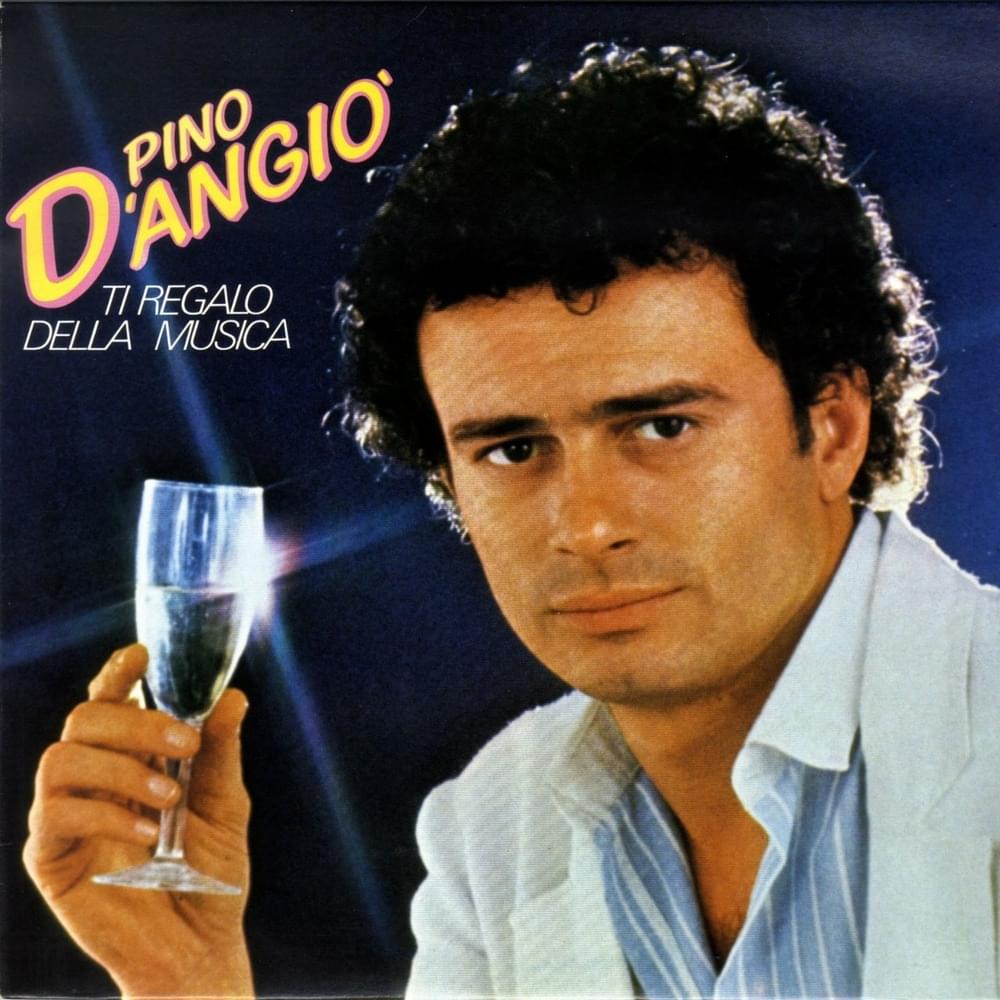
 View Artist