Song Meaning
The lyrics paint a picture of persistent, low-grade suffering that the narrator can't quite pinpoint. It's a "dull pain" in the head, a "dull ache" in the heart, and a "dull knife" in the back, all suggesting a chronic, insidious discomfort rather than a sharp, acute crisis. This pervasive feeling is amplified by internal struggles, like being "crowded by old memories" and a mind that "spreads" the unknown "disease."
The central tension lies in the narrator's internal battle against their own mind and circumstances. They acknowledge being "my worst enemy" and engaging in self-destructive thought patterns, like "inventing problems and despair to wallow in." This internal conflict leads to a creative and emotional "drought," leaving them feeling stuck and uninspired, despite a desire for change.
The repeated motif of "dull" is key, highlighting a state of being that is not dramatically bad but persistently unpleasant and draining. The shift in the second chorus, moving from a passive "dull knife in my back" to a declaration of readiness for a "counter-attack," signals a potential turning point. This transition from passive suffering to active resistance, even if met with a skeptical "Yeah, right" in the outro, is the emotional core.
This writing is effective because it captures the exhausting nature of ongoing internal struggles. The mundane, yet deeply felt, descriptions of "dull" pain resonate with the feeling of being trapped in a cycle of negative thought and circumstance. The eventual, albeit tentative, call to arms against this internal enemy offers a glimmer of hope, making the narrator's plight feel both relatable and dynamically unfolding.
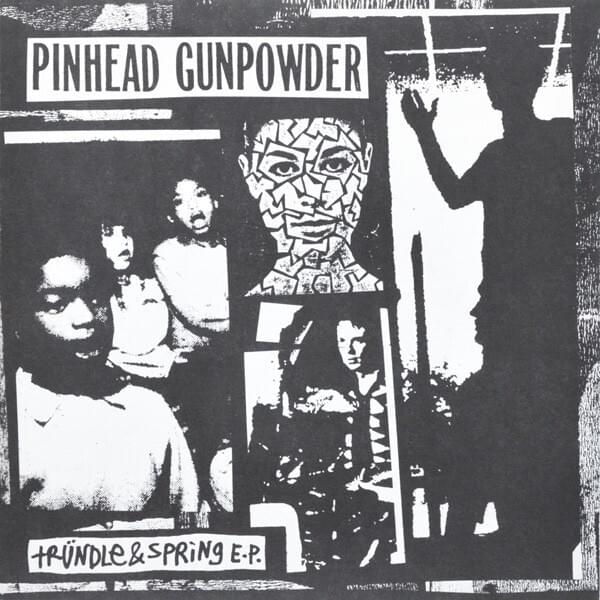
 View Artist