Song Meaning
The narrator insists on a state of "iyi böyle" – "it's fine like this" – despite a clear undercurrent of past emotional turmoil. The opening lines, "Beni arama, iyi böyle / Beni tanıma, iyi böyle" (Don't call me, it's fine like this / Don't know me, it's fine like this), immediately establish a defensive posture. While the narrator admits their heart "coştu" (rejoiced) upon seeing the other person, they quickly qualify it with "anca geçti" (it only just passed), suggesting a lingering, perhaps painful, memory that took time to overcome. This sets up a tension between a present assertion of well-being and a past that clearly impacted them.
The core conflict seems to stem from a relationship marked by inconsistency, where the other person was "Bazen vardın, bazen yoktun" (Sometimes you were there, sometimes you weren't). The narrator's repeated refrain, "Düştüm kalktım, iyi böyle" (I fell, I got up, it's fine like this), coupled with "Kendim ettim, kendim buldum" (I did it to myself, I found it myself), points to a self-reliance born from this instability. They are not just accepting the situation; they are claiming ownership of their recovery, framing it as a personal achievement rather than a consequence of the other's actions. The phrase "Madem sordun, iyi böyle" (Since you asked, it's fine like this) implies this is a response to an inquiry, perhaps from the very person who caused the past pain, adding a layer of weary resignation to the proclaimed acceptance.
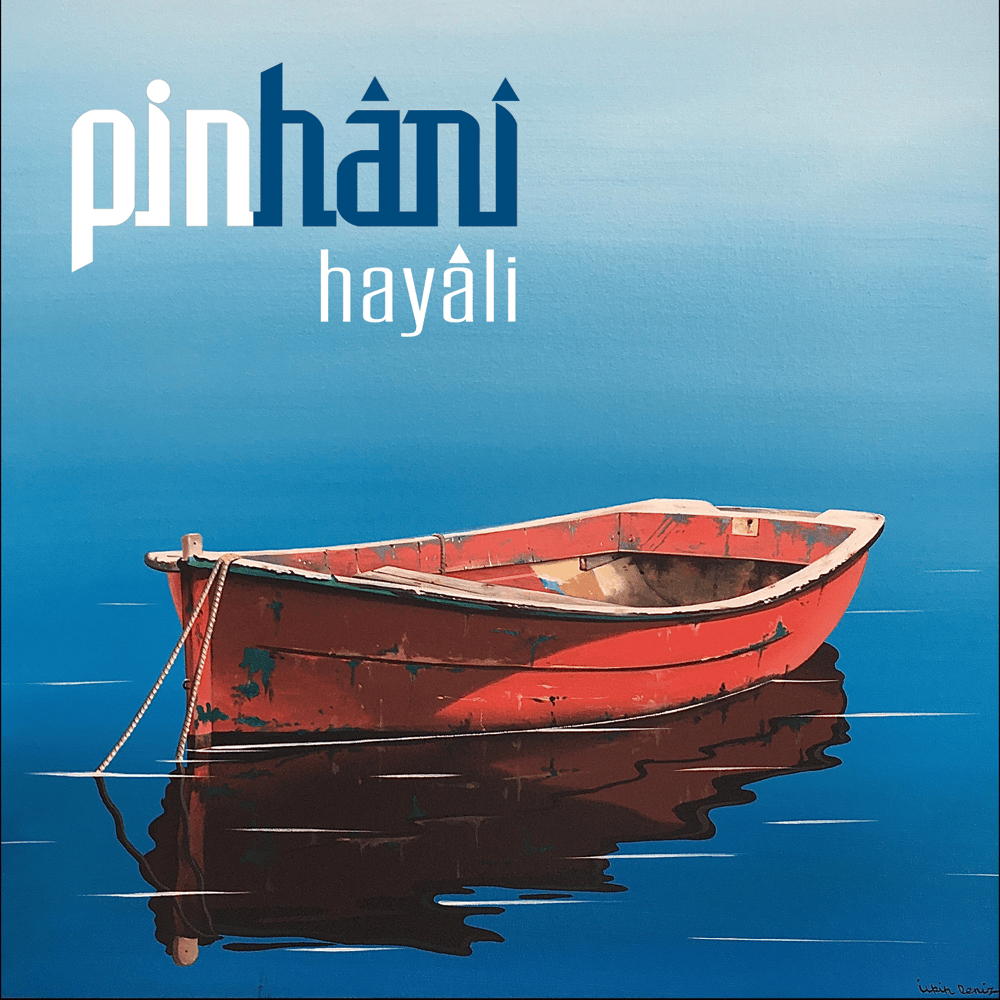
The lyrics employ a stark, almost minimalist structure to underscore the narrator's resolve. The repetition of "iyi böyle" acts as a mantra, a way to solidify their current state against any lingering doubts or the potential for re-engagement. The line "Değişen büyük bir şey yok aslında / Bunu sen söylemiştin zamanında" (Nothing much has changed, really / You said this a while ago) is particularly cutting. It suggests the other person's past assessment of the situation, or perhaps their own transient nature, is still relevant, and the narrator is now adopting that perspective, albeit with a different emotional weight. The final lines, "Sen hayâli, ben Pinhâni / Düştük ayrı, iyi böyle" (You are a phantom, I am Pinhâni / We fell apart, it's fine like this), personify the other as an elusive "phantom" and the narrator as the artist "Pinhâni," solidifying their separate paths and reinforcing the finality of "iyi böyle."
 View Artist