Song Meaning
The lyrics paint a vivid picture of two figures, likened to "drunk crows," caught in a prolonged, perhaps reckless, revelry. They "raised our glass and drank down fast," seeking an escape, wishing "why can't it always be night." This sets a tone of desperate, almost frantic, joy that feels unsustainable, a fleeting moment they desperately want to preserve against the inevitable arrival of morning.
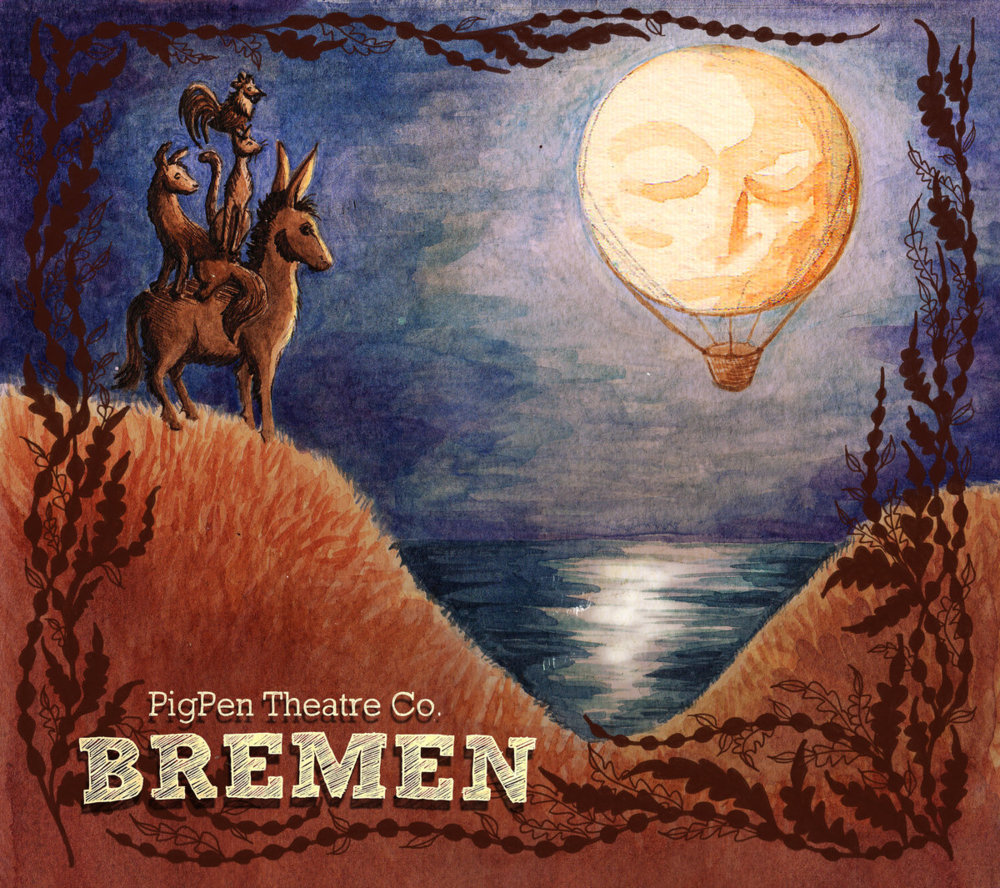
The central tension arises from this desire to prolong the night against the natural order represented by the moon and the dawn. The moon, personified as a figure of authority or nature's judgment, "swooped down fast" and "shut our beaks," a forceful silencing of their drunken lament. This intervention highlights the conflict between their desire for perpetual night and the world's demand for order and peace, encapsulated by the moon's plea: "why won't you give me some peace."
The most striking craft element is the recurring, almost desperate plea, "Oh my dawn / Please lay me down." This shifts the perspective from the joy of the night to a weariness and fear of the morning. The repetition of "Oh we tried oh we tried / From the dusk till the dawn / Till there were holes in our eyes from the sun" emphasizes the exhausting effort to outrun the day, suggesting a painful consequence for their prolonged revelry. The question "Is it a crime lord is it wrong?" reveals a deep-seated anxiety about their actions, a fear that their desire for escape is inherently transgressive.
These lyrics resonate because they capture a universal feeling of wanting to hold onto fleeting moments of intense experience, even when those moments are tinged with self-destruction. The imagery of "drunk crows" and "holes in our eyes from the sun" is raw and unflinching, conveying the physical and emotional toll of this desperate pursuit. The ultimate plea to the dawn, asking for acceptance rather than escape, suggests a profound exhaustion and a yearning for peace, even if it means confronting the consequences of their actions.
 View Artist