Song Meaning
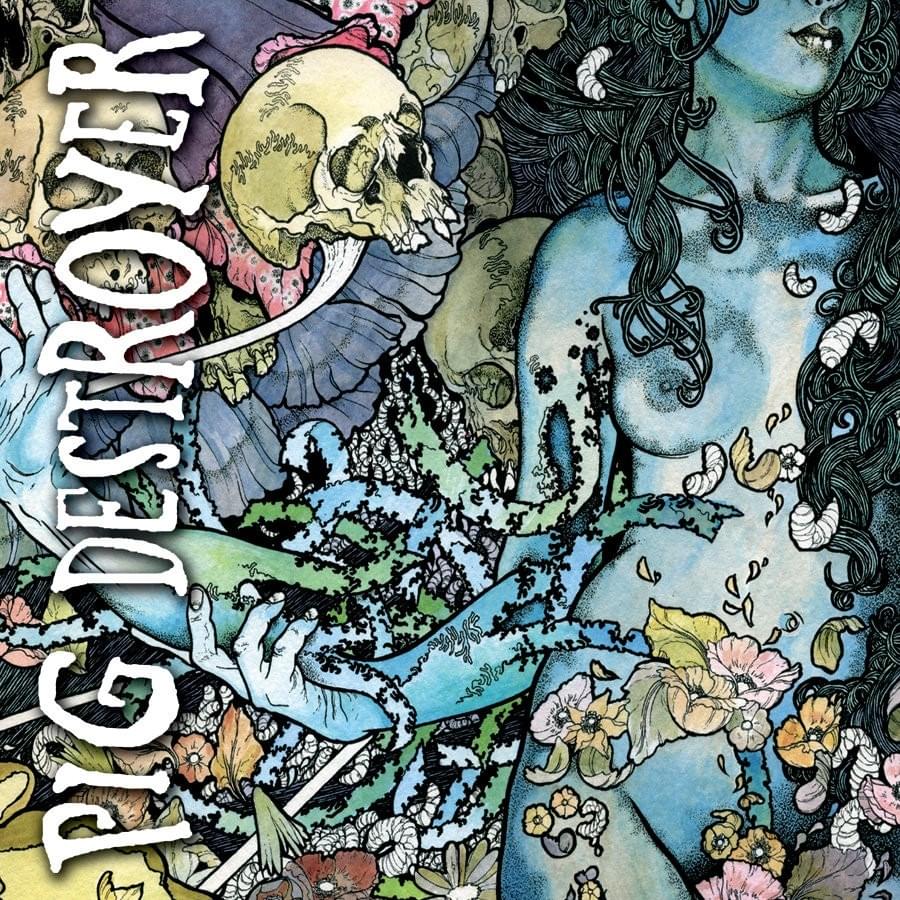
The lyrics paint a stark picture of an inescapable, destructive presence, personified as a predatory "mountain" whose "wings" cast a long shadow. The narrator feels perpetually trapped, their "disguises" failing to offer lasting protection from this overwhelming force. The imagery shifts dramatically, moving from a grand, almost mythical threat to the gritty reality of a "landfill," suggesting a descent into a degraded, toxic environment where even intimacy is tainted.
The central tension lies in the narrator's inability to break free from this influence, which is described as both grand and suffocating. The repetition of "They don't last long" emphasizes the futility of their attempts at evasion. This struggle is amplified by the stark contrast between the initial, almost epic portrayal of the antagonist and the subsequent depiction of making out "waist deep in ash," a visceral image of decay and ruin.
The most striking craft element is the abrupt shift in the portrayal of internal feeling. Initially, the narrator claims "no rancor" in their "crawlspace of a heart," likening their emotional state to something perhaps hidden but not necessarily malicious. However, this is immediately and violently contradicted by the repeated, visceral image of "rancor / Like rats," suggesting a festering, vermin-like bitterness that has taken root, undermining any pretense of emotional peace.
This lyrical construction is effective because it mirrors the experience of being consumed by something toxic. The grand, almost mythological threat gives way to a grim, inescapable reality, and the narrator's internal state is revealed to be far more corrupted than initially suggested. The final, jarring image of "rancor like rats" leaves the listener with a potent sense of inescapable, internal decay, mirroring the external desolation.
 View Artist