Song Meaning
The lyrics paint a stark, almost surreal image, immediately setting a tone of unsettling finality. The visual of "dyed red hair," "forest green dress," and "kitchen knives" creates a jarring juxtaposition, hinting at a deliberate, perhaps violent, act rather than a natural occurrence. This initial scene is potent, establishing a sense of foreboding and a departure from the ordinary.
The dominant emotional undercurrent seems to be one of profound loss and irreversible change, directly linked to the preceding imagery. The repeated phrase "It was the last time" emphasizes a definitive end, not just to an event, but to a perception of beauty or innocence associated with the rose. The connection between the violent imagery and the absence of a rose suggests a transformation where something delicate and natural has been irrevocably altered or destroyed.
The most striking element is the symbolic weight given to the rose. By stating "the last time I ever saw a rose" immediately after describing the knives and attire, the lyrics suggest the rose itself has become a casualty or a marker of this violent transition. It's as if the act described has fundamentally changed the narrator's ability to perceive or experience the simple beauty of a rose, turning it into a symbol of what is now lost or unattainable.
This lyrical construction is effective because it uses potent, contrasting images to evoke a powerful emotional response without explicit explanation. The ambiguity of the "kitchen knives" and the "last time" allows the listener to project their own understanding of loss and transgression onto the scene. The brevity and sharp focus of the lines make the impact immediate and lingering, leaving a sense of unease and the weight of an unspoken tragedy.
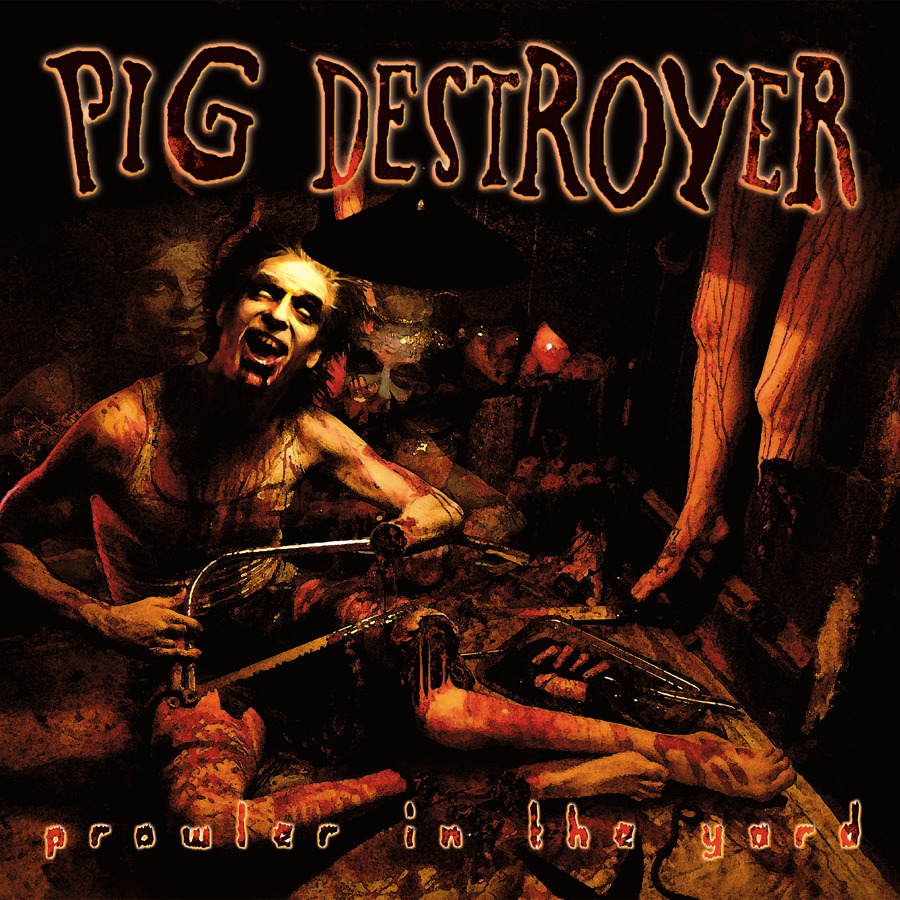
 View Artist