Song Meaning
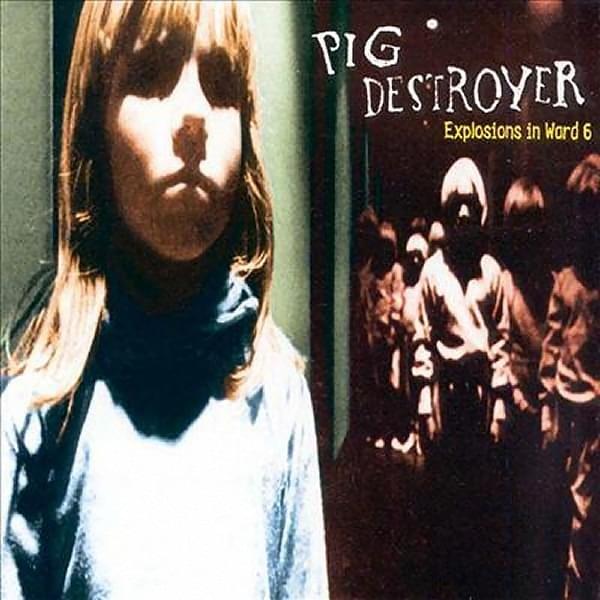
The lyrics paint a stark picture of passive vulnerability, set against an oppressive, almost institutional backdrop. The narrator and their group are clad in "gray shirts," suggesting uniformity and a lack of individuality, while "long sleeved in the summer" implies a desire to conceal or a forced conformity that feels out of place. They "lean against cinder block walls," creating an image of confinement and a bleak, unyielding environment. This initial scene establishes a tone of resigned endurance.
The core tension arises from a cyclical pattern of self-exposure to danger. The group actively "hide from the other prey," indicating a fear of lesser threats, yet they immediately "step forth and present our throats" when a more significant danger, personified as a "lioness," appears. This contrast highlights a peculiar, almost masochistic, readiness to face the ultimate threat while avoiding smaller ones, suggesting a deep-seated resignation or a desperate, perhaps futile, hope for a different outcome.
The most striking element is the ritualistic presentation of vulnerability. The phrase "present our throats" is a potent image of offering oneself for harm, a stark contrast to any instinct for self-preservation. This act is coupled with the desperate hope, "Hoping this time it will be different," which is immediately met with the grim reality, "And then we bleed again." This repetition underscores the futility of their actions and the inevitability of suffering within their circumstances.
These lyrics resonate because they capture a profound sense of helplessness and the psychological toll of repeated trauma. The simple, declarative sentences and the stark imagery create an unflinching portrayal of a group caught in a cycle of submission and pain. The effectiveness lies in its raw, unadorned depiction of a desperate, perhaps inherited, pattern of behavior that offers no escape, only the predictable consequence of bleeding anew.
 View Artist