Song Meaning
The lyrics paint a stark, almost ritualistic scene, immediately establishing a tone of unsettling revelation. The opening lines, "The seeded truth be bare, my dear," suggest a fundamental, perhaps unpleasant, reality being exposed. This is followed by the peculiar image of "sub-dun potteries come over quite clear," hinting at hidden or buried things becoming visible, their forms distinct and undeniable. The narrator seems to be addressing someone directly, drawing them into this unveiling of a harsh truth.
The central tension appears to lie in a dichotomy of perception and action. The mention of "those who see both left and right" implies a complex or perhaps compromised viewpoint, contrasting with a more direct, possibly destructive, act: "Excise dry bodies for a God to call." This suggests a forceful removal or sacrifice, driven by a need to appease or acknowledge a higher power. The narrator's final statement, "And I can leave you handy," carries an ambiguous weight, implying either a helpful provision or a detached abandonment.
The most striking craft element is the juxtaposition of abstract concepts with visceral imagery. "Seeded truth" and "God to call" are abstract, but they are grounded by the concrete, almost surgical, act of "Excise dry bodies." This creates a disquieting blend of the spiritual and the physical, where profound truths are revealed through a process that feels both ancient and brutal. The brief, sharp word "claw" further emphasizes a primal, grasping instinct within this unfolding drama.
This lyrical construction is effective because it forces the listener to confront unsettling implications without explicit explanation. The ambiguity of "sub-dun potteries" and the narrator's role in "leaving you handy" creates a lingering sense of unease. The lyrics don't offer comfort; instead, they present a fragmented, stark vision that resonates through its stark contrasts and the unsettling finality of its pronouncements.
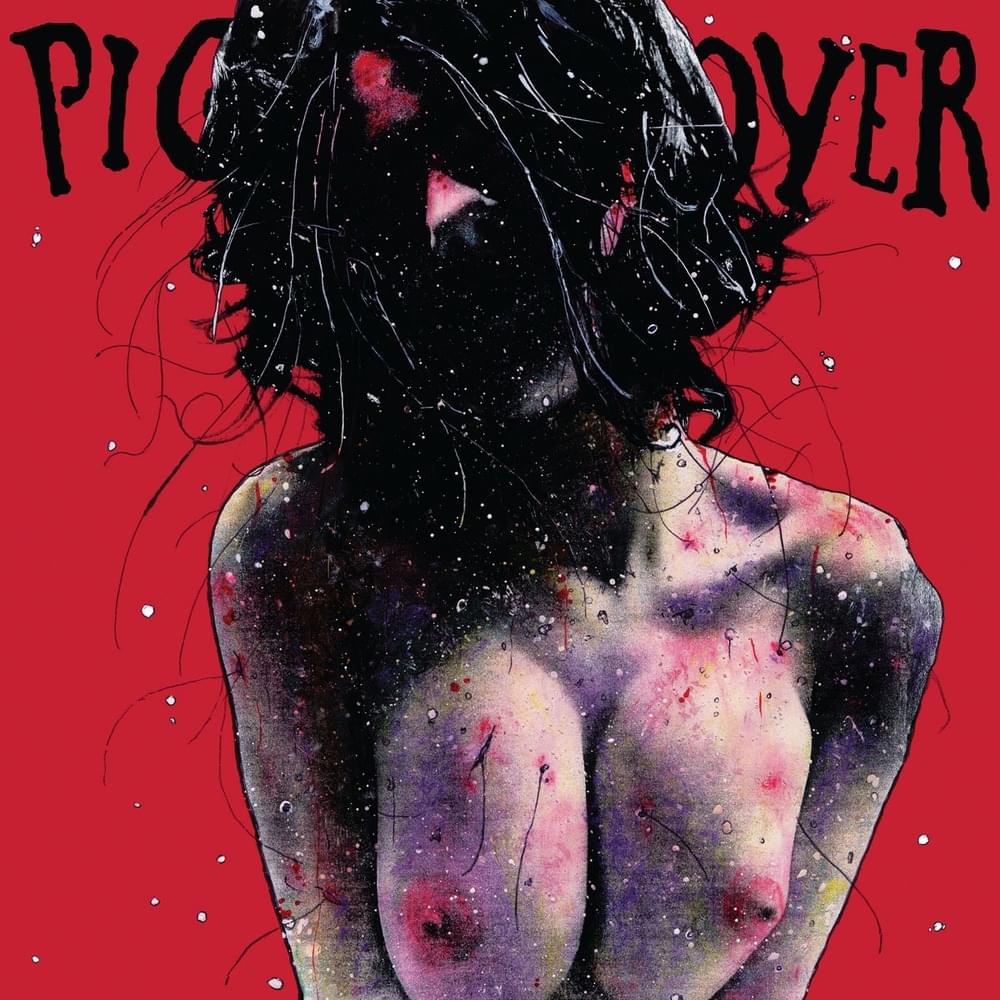
 View Artist