Song Meaning
The lyrics immediately plunge into a vivid sensation of weightlessness, a desire to be "loin de la douleur" and "loin de la gravité." It's a yearning for pure, unburdened escape, a feeling of being "comme libéré." This sets a tone of ethereal freedom from the very first lines.
The central tension arrives with the repeated refrain: "C'est rien qu'une chanson." This seemingly dismissive phrase paradoxically defines the very vehicle for the profound liberation described. It's "un manque de raison," suggesting that true escape often requires a departure from logic, a release of "un peu d'émotion" "qu'on lâche comme des ballons." The lyrics suggest that this simple, irrational act of engaging with a song is the key to shedding mental burdens.
The imagery of escape evolves beautifully, moving from passive "apesanteur" to actively "planer sur la ville," then shifting dramatically to "plonger dans une eau claire." This progression from air to water suggests different dimensions of freedom. The subtle contrast between "s'élever" and "sans lâcher du lest" implies an effortless ascent, while "suspendu à un fil" introduces a delicate fragility to this soaring freedom. The ultimate act, "nager à contre-courant," adds a defiant, active agency to the escape, transforming it from mere floating into a powerful, individual assertion.
What makes these lyrics so effective is their ability to articulate a universal longing for mental and emotional release through a simple, accessible medium. The repeated idea of "Léger" (light) underscores the core desire to shed burdens. By framing a song as both "rien qu'une chanson" and the very means to "prolonger l'éphémère," the lyrics capture the bittersweet power of art: it's a temporary escape, yet one we desperately cling to, allowing us to extend fleeting moments of pure, unadulterated freedom.
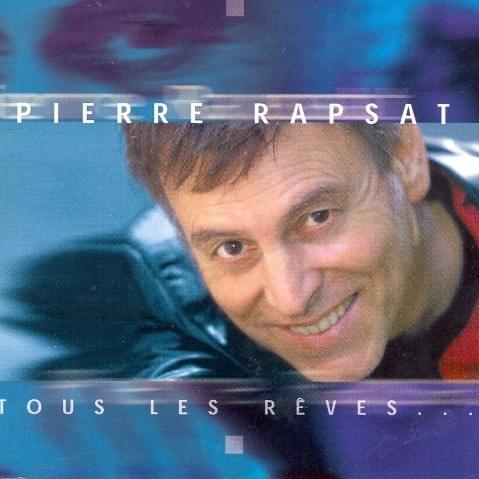
 View Artist