Song Meaning
This intro immediately sets a tone of defiant abstraction, directly addressing potential critics. The speaker anticipates judgment on their work's perceived obscurity and their own appearance, preemptively dismissing these concerns with a shrug. The core message is a deliberate embrace of the nonsensical, a "passive chaos" that invites listeners to abandon rigid interpretation. It's a bold opening statement, daring the audience to engage on the speaker's terms.
The central tension lies in the speaker's provocative stance against conventional understanding and aesthetic norms. They don't just present abstract ideas; they actively advocate for "incoherence, absurdity and passive chaos." This isn't an accidental byproduct of their art but a stated principle. The repeated admonition to "close your eyes" and "don't think" suggests a desire to bypass intellectual barriers and connect on a more visceral, perhaps even subconscious, level.
The most striking craft element is the direct, almost confrontational, address to the audience, followed by a stark shift to a soothing, hypnotic refrain. The initial pronouncements are sharp and dismissive, but the repeated "Fermez vos yeux / Ne pensez pas / Laissez-vous bercer / À mes côtés" creates a compelling contrast. This duality moves from intellectual challenge to an invitation for surrender, using gentle, flowing verbs like "bercer" (to rock/lull) and "flotter" (to float).
Ultimately, the effectiveness of these lyrics stems from their confident subversion of expectations. The speaker doesn't seek validation but rather offers an escape from the pressure to understand or conform. By championing incoherence and urging a passive, sensory experience, they create an intriguing space for the listener, making the act of simply *being* with the music the primary goal.
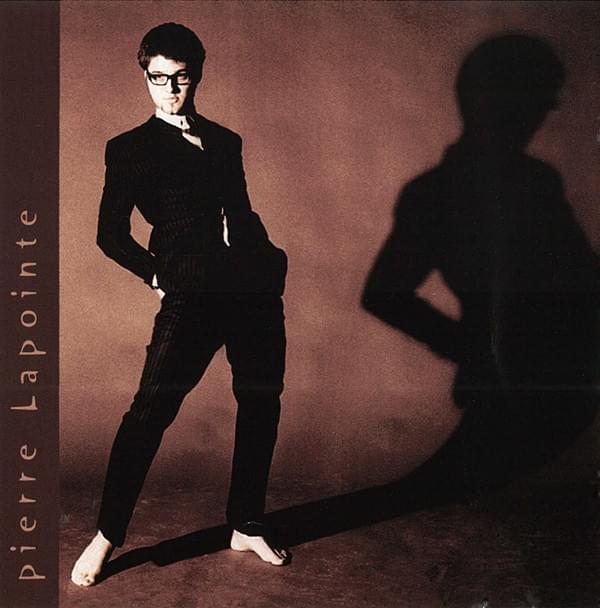
 View Artist