Song Meaning
The lyrics paint a stark picture of returning to a specific place, "Au 27-100 rue des Partances," which triggers a resurfacing of past sadness and a destructive impulse towards present happiness. The narrator identifies with a recurring pattern, "Toujours le même enfant," who "détruit tout, de peur d'être géant" – a powerful image of self-sabotage born from an overwhelming fear of potential or growth. This internal conflict sets the stage for a bleak outlook on the future, where even the present love feels destined to fall short of past affections.
The central tension lies in the narrator's inability to escape this destructive cycle, even while acknowledging the beauty of a shared past built on "rires et de joies." There's a profound sense of regret as the narrator admits to having "brisé ton grand cœur d'enfant," directly impacting a loved one who also dreamed of being "géant." This act of breaking the other person's heart, mirroring the narrator's own self-destruction, creates a poignant contrast between the shared, idealized past and the fractured present.
The most striking element is the repetition of "Me pardonneras-tu mes maladresses d'enfant?" This plea, echoing three times at the end, underscores the narrator's deep-seated shame and the childlike nature of their destructive actions. The shift from "Toujours le même enfant" to "Plus jamais le même amant" highlights the consequence of these "maladresses" – the loss of a romantic partner. The repeated question isn't just a request for forgiveness but a desperate acknowledgment of the ongoing, perhaps unfixable, damage caused by these ingrained patterns.
Ultimately, these lyrics resonate because they articulate a universal struggle with self-destructive tendencies and the pain they inflict on both oneself and loved ones. The specific imagery of the "enfant" who fears being "géant" and the direct address to a broken heart make the abstract concept of self-sabotage feel intensely personal and heartbreaking. The unresolved plea for forgiveness leaves the listener with a lingering sense of melancholy and the heavy weight of past actions.
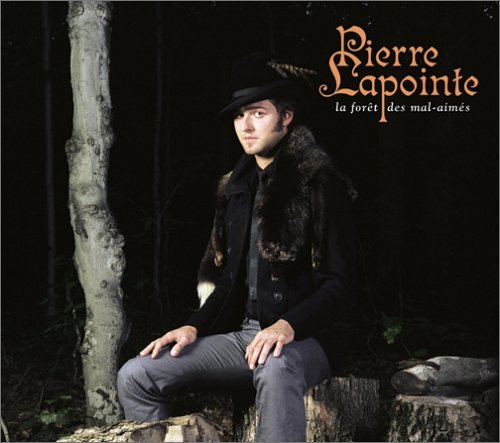
 View Artist