Song Meaning
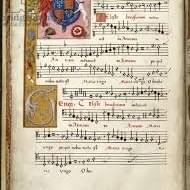
The opening lines declare the advance of royal banners, immediately establishing a tone of solemn procession and divine authority. This is swiftly followed by the radiant mystery of the Cross, setting up a powerful juxtaposition between earthly regalia and heavenly significance. The lyrics then pivot to the profound paradox: the Creator of flesh, who is also of flesh, is suspended on a gibbet. This stark image grounds the divine in visceral, human suffering, highlighting the core of the Passion narrative.
The text then shifts to a direct Gospel citation, specifically from Matthew's account of Jesus' final moments. The narrator, identified as Jesus, expresses a deep sorrow, stating, "Tristis est anima mea usque ad mortem" – my soul is sorrowful, even unto death. This raw confession of existential dread and impending doom forms the central emotional tension. It’s a moment of profound vulnerability before the ultimate sacrifice.
The craft here lies in the stark, almost clinical presentation of immense theological weight. The transition from the grand pronouncement of "Vexilla regis prodeunt" to the intimate, agonizing cry of "clamans iterum voce magna emisit spiritum" (crying out again with a loud voice, he gave up his spirit) is breathtaking in its economy. The juxtaposition of the triumphant banners with the solitary, loud cry of a dying man underscores the immense personal cost of the divine act.
This passage resonates because it refuses to shy away from the brutal reality of the crucifixion, even while framing it within a context of divine purpose. The direct quotation from scripture lends an undeniable authority, while the chosen phrases – the "mystery" of the Cross, the Creator "suspended," the soul "sorrowful unto death" – combine to create a potent, unflinching depiction of sacrifice and suffering that feels both ancient and immediate.
 View Artist