Song Meaning
The lyrics paint a picture of a tumultuous relationship, tinged with self-destructive tendencies and a yearning for overwhelming connection. The opening lines immediately establish a dynamic of conflict: "You search and destroy / I hurt myself." This sets a tone of passive suffering in response to an aggressive force, a pattern that seems to repeat throughout the narrative. The narrator admits to being with someone else during a winter in NYC, suggesting a complicated romantic entanglement where fidelity might be blurred or irrelevant.
The central tension lies in the narrator's paradoxical desire for both connection and annihilation. They feel "shallow" in the presence of the other person, yet simultaneously crave to be "suffocate[d]" and to "bathe" in them, even wishing for them to be an "avalanche." This suggests a deep-seated need to be consumed, to lose oneself in the intensity of another, perhaps as an escape from their own perceived emptiness or pain. The declaration "Only death is real" underscores a nihilistic outlook, where genuine experience is found only in ultimate finality or overwhelming sensation.
The imagery shifts from earthly to celestial, with mentions of "Orion's belt" and "Sagittarius," placing the object of affection in a grand, perhaps unattainable, cosmic context. This celestial framing contrasts sharply with the grounded, almost claustrophobic, details of "the garage again / Listening to dungeon synth" and the chaotic scene of "Girls raving on ketamine and Aphex Twin." This juxtaposition highlights the narrator's internal conflict between escapist fantasies and harsh reality, between a desire for profound connection and immersion in darker, more isolating subcultures.
Ultimately, the lyrics resonate because they articulate a raw, almost masochistic, desire for intensity. The repeated plea to "suffocate me / Be my avalanche" is not a simple expression of love, but a demand for an all-consuming experience that obliterates the self. It’s a powerful, if unsettling, portrayal of seeking solace and meaning in the very act of being overwhelmed, suggesting that for the narrator, true feeling is found only at the edge of destruction.
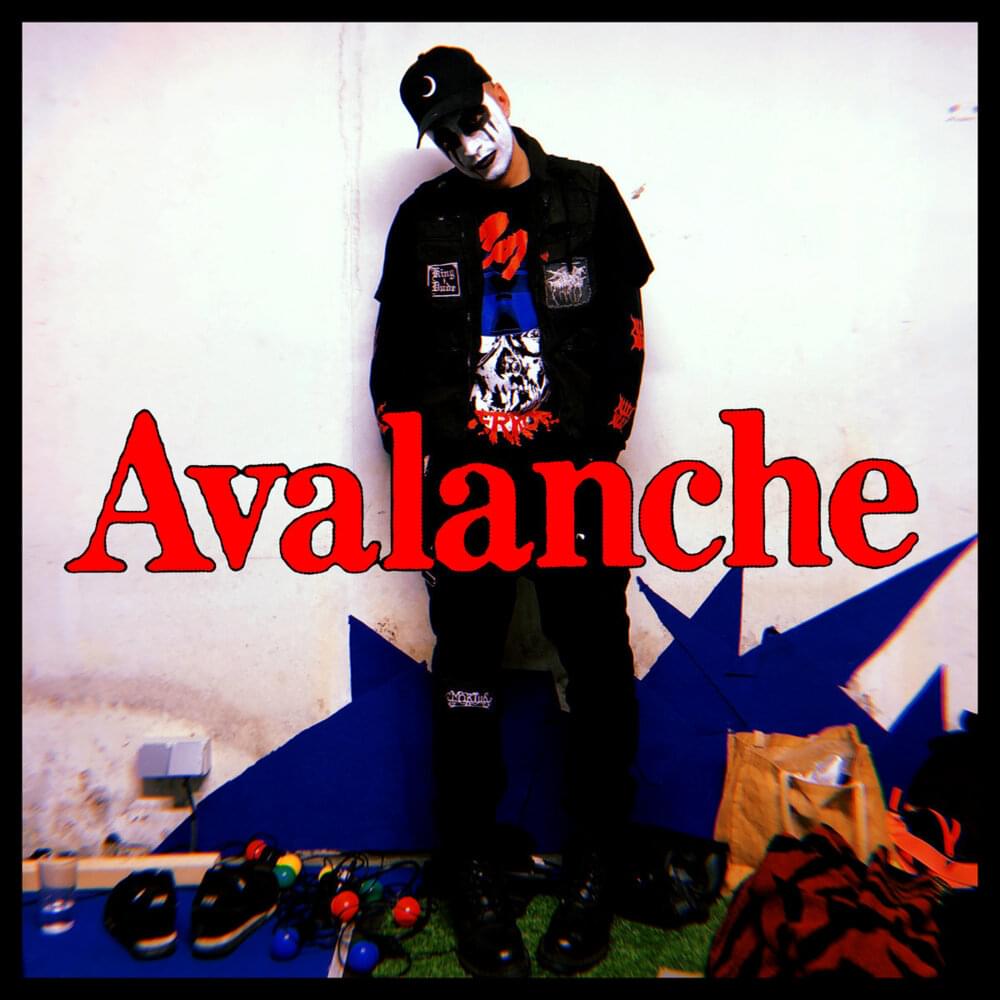
 View Artist