Song Meaning
The lyrics paint a picture of a solitary existence, punctuated by a desire for connection. The narrator describes a passive state of "float[ing] around the house" with "white noise" as a constant companion, suggesting a life lived on autopilot or in a muted emotional landscape. Yet, this stillness is contrasted with an active, almost desperate need to "dance to the motion of what I need," a motion that ultimately finds its focus and fulfillment when the object of their affection "just want[s] to dance with me." This shift from internal, abstract motion to shared, external movement is the core of the song's emotional arc.
The lyrics reveal a tension between a past self and a present yearning. Phrases like "old / Half-assed tries and the Pigtown mold" hint at past failures or a less refined existence, from which the narrator feels they have improved, especially in relation to the other person. The idea that "You're the better half best of me" underscores the transformative power of this relationship, suggesting that the narrator's current, improved state is intrinsically linked to their partner. This isn't just about shared activity; it's about mutual betterment and a sense of completion found in the other.
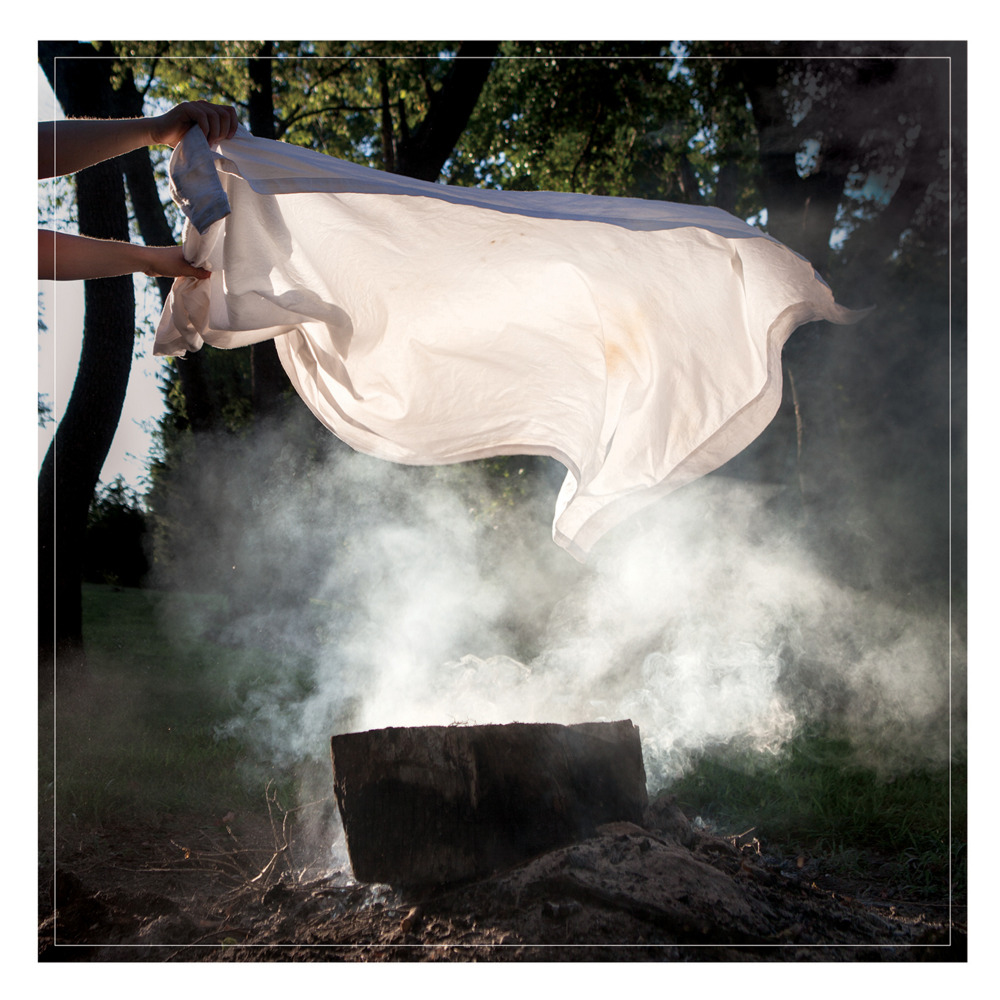
A striking element is the recurring motif of "paint me." This phrase, appearing in conjunction with commands like "Grip me / Grab me down," suggests a desire for definition and ownership within the relationship. The narrator wants to be "certain" and "yours," as if their own identity is fluid and needs external validation or solidification. This is further amplified by the imagery of "white like the lack of paint" and "white like the blue bottle bedside reflection," which evoke a sense of emptiness or a stark, unadorned reality that the act of being "painting"—or being painted by the partner—can fill and define.
Ultimately, the effectiveness of these lyrics lies in their raw portrayal of vulnerability and the profound impact of shared experience. The narrator moves from a state of internal, unfulfilled motion to finding purpose and clarity in the simple act of dancing with another. The desire to be "painted" by the partner, to be made "certain" and "yours," speaks to a deep-seated need for belonging and a recognition that true connection can provide the missing colors to a previously muted existence. The final lines, "And your dancing is all I see," encapsulate this singular focus, where the external world fades away, leaving only the shared rhythm and the presence of the beloved.
 View Artist