Song Meaning
The lyrics paint a picture of something vast and beautiful, initially described with expansive, almost divine imagery like "wide as heaven" and "thick as love." These opening lines evoke a sense of overwhelming, pure presence, further enhanced by comparisons to a "feather in the roses" and "newborn dove." However, this idyllic setup is immediately undercut by a subtle unease, a feeling that this grandness is somehow out of reach or even indifferent, hinted at by the peculiar "slight as eleven to the dozen."
The core tension emerges as the narrator grapples with the paradoxical nature of this heavenly ideal. The repeated question, "Why does heaven make me feel so sad?" is the emotional anchor, directly confronting the disconnect between perceived perfection and personal experience. This isn't a critique of suffering, but a bewilderment at how something meant to be ultimate bliss can instead evoke profound melancholy and a sense of being overlooked, as if "heaven never notice[s]."
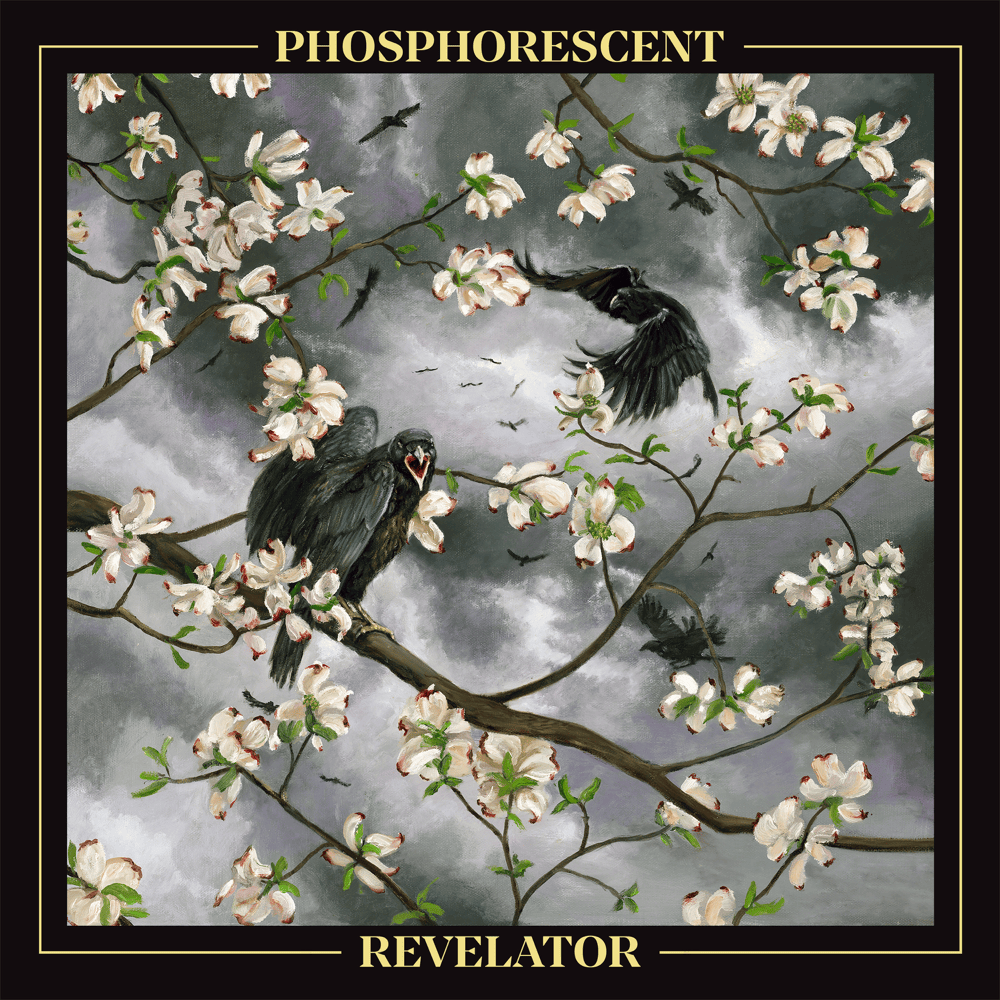
The recurring image of "time is a raven with a beak of blood" is a striking piece of craft, injecting a visceral, almost violent element into the otherwise ethereal descriptions. This raven, crying at seven each morning, suggests an inescapable, perhaps painful, daily reckoning that contrasts sharply with the idealized "bright as forever" and "bright as heaven." The narrator's plea, "I would rather it didn't be so tough / Than bright as heaven in the dawning," crystallizes this conflict, prioritizing a less painful reality over a dazzling but emotionally barren one.
Ultimately, the effectiveness of these lyrics lies in their ability to articulate a specific, relatable existential ache: the feeling of being alienated from idealized concepts of peace or perfection. The writing doesn't offer easy answers but instead captures the raw, confusing emotion of finding sorrow in what should be joy, making the abstract concept of heaven feel intensely personal and isolating.
 View Artist