Song Meaning
The lyrics paint a stark picture of isolation and lingering betrayal, set against a dramatic, almost cinematic backdrop. The opening lines place the narrator precariously "high on a cliff in Mexico," gazing down at the unforgiving rocks and sea, a potent image of being on the edge. This physical height mirrors an emotional precipice, underscored by the distant, almost mocking sounds of "church bells ringin'" and "the choir." It's a scene of profound solitude, where the grandeur of nature offers no solace, only a vast, indifferent expanse.
The narrative then flashes back to a moment of acute personal loss: the departure of a loved one. The narrator recalls driving to a station "in the pouring rain," a classic trope for sorrow, and spending a solitary night at his "big iron desk." The detail of "oil on the water made a rainbow" is particularly striking; it transforms a potentially bleak image into something strangely beautiful, a fleeting moment of color in the darkness, perhaps hinting at a complex mix of pain and memory.
The lyrics introduce a chilling duality in the description of a figure, possibly the one who left or someone new: "Her hair is as black as the sky at night / But her eyes are gray like the moon." This contrast suggests a person of conflicting natures, dark and mysterious yet also cold and distant. The image of them lying "on a feather bed" at the "end of this bone-white gravel road" juxtaposes comfort with finality, a soft resting place at the end of a harsh journey, implying a settled, perhaps permanent, state.
The repeated refrain, "You can run, but you can't hide / You said you love me, but I know you lied," drives home the central tension. It's a declaration of inescapable truth and broken trust. The narrator seems haunted by the deception, the words echoing with a bitter certainty. This insistence on the inescapable nature of the lie, coupled with the imagery of being trapped or observed, creates a powerful sense of unresolved pain and the enduring weight of past betrayals.
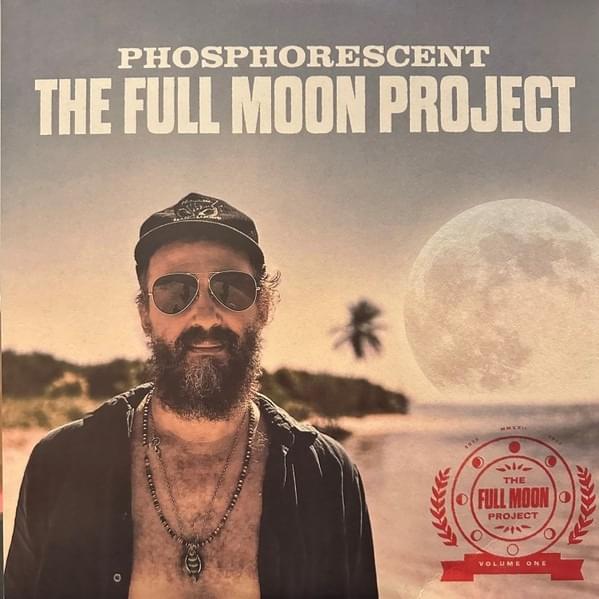
 View Artist