Song Meaning
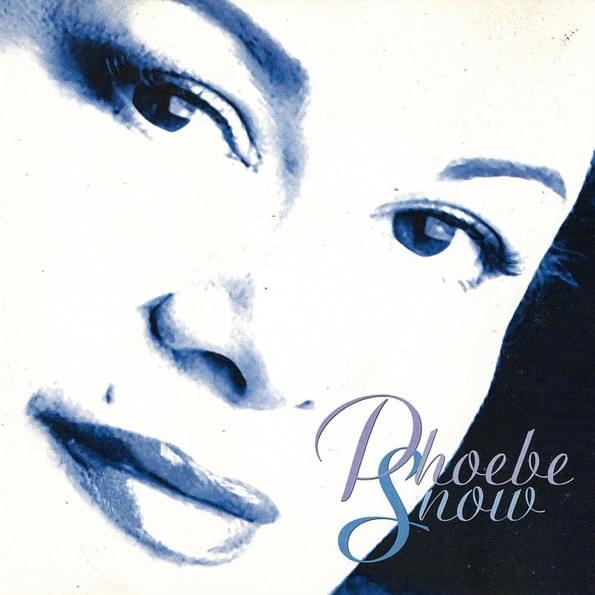
Phoebe Snow's interpretation of Bob Dylan's "It Takes A Lot To Laugh, It Takes A Train To Cry" isn't just a cover; it's a melancholic excavation of blues-soaked resignation. The song, at its core, grapples with the push and pull of desire and detachment, rendered with a haunting sense of inevitability. The opening line, a paradoxical equation of laughter and tears, immediately sets the stage for an exploration of emotional extremes, hinting that profound sorrow and fleeting joy are often two sides of the same coin. The train, a recurring motif, symbolizes both escape and the relentless forward motion of time, a journey without a clear destination. Snow's delivery, tinged with a world-weary acceptance, amplifies the song's inherent sense of fatalism. The character in the lyrics finds himself caught between longing and a premonition of loss, observing the beauty around him -- the moon, the sun, his lover -- even as he anticipates an uncertain future. There's an underlying tension between the speaker's yearning for connection ("I wanna be your lover, baby / I don't wanna be your boss") and his inability to fully communicate his feelings.
The imagery of winter encroaching, windows frosting over, speaks to a growing emotional isolation. The line about not being able to "get across" to others suggests a profound disconnect, a failure to bridge the gap between inner turmoil and outward expression. This theme of isolation is amplified by the traveling motif - the train, the "Double E" being flagged down. The traveler is alone, perhaps longing for connection, yet hurtling through a landscape that isolates him further. The train is a metaphor for life itself: a journey forward with the knowledge of death at the "top of the hill".
Snow's interpretation doesn't shy away from the inherent contradictions within the lyrics. The speaker acknowledges his own limitations and vulnerabilities, admitting he might not "make it." The final warning – "Don't say I never warned you / When your train gets lost" – carries a subtle undercurrent of bitterness, suggesting that despite his best efforts, the speaker is powerless to prevent impending heartbreak. The song is not just about the pain of lost love, but the agonizing awareness of its inevitable demise. It's a blues lament for a love that was perhaps doomed from the start, rendered with a chilling acceptance by Phoebe Snow's soulful delivery.
 View Artist