Song Meaning
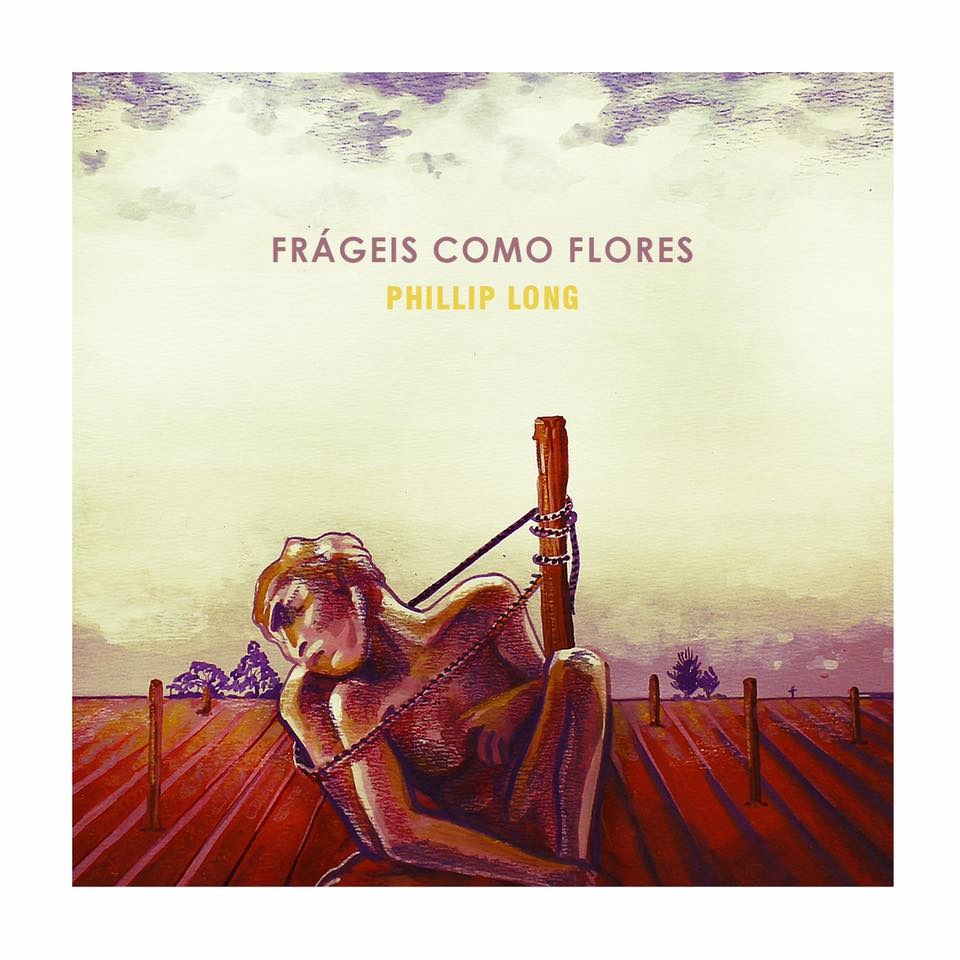
The lyrics paint a picture of deep yearning for connection, a desire to shed the armor of self-protection and embrace vulnerability. The narrator lists intimate actions like sharing a bed, a plate, and skin, all pointing toward a profound wish for closeness and shared experience. This isn't just about romance; it extends to a broader desire for authentic human connection, wanting "gente como a gente" – people like us, made of flesh and bone, and crucially, "frágeis como flores" (fragile like flowers).
This fragility becomes the central tension, especially when contrasted with the recklessness of youth. The bridge reveals a painful truth: we often learn harsh lessons about cruelty and destruction only after causing damage, a process of breaking things down "enquanto é jovem" (while young) only to spend time later "consertar cada detalhe" (fixing every detail). This regret fuels the chorus's wistful refrain, a hypothetical lament that if only youth knew this, "haveria flores o tempo todo" (there would be flowers all the time).
The lyrics employ a beautiful, organic metaphor to underscore this point. The repeated desire for "flores" (flowers) in the chorus, linked to the idea of learning from mistakes and embracing vulnerability, suggests a natural, beautiful state that is often lost through youthful ignorance. The shift in Verse 3, moving from personal intimacy to a broader embrace of "nossas árvores, nossos rios, nossos índios, nossos pares" (our trees, our rivers, our natives, our peers), expands this yearning for connection to a more communal and ecological level, seeking to "encontrar uma razão" (find a reason) in this shared existence.
Ultimately, the effectiveness of these lyrics lies in their gentle, almost melancholic depiction of human longing and the hard-won wisdom that comes with age. The contrast between the tender desire for intimacy and the harsh reality of youthful mistakes creates a poignant emotional resonance. The recurring image of flowers serves as a powerful, delicate symbol for the beauty and fragility of both relationships and life itself, a state that the narrator wishes could be preserved, or at least more frequently achieved, if only we learned sooner.
 View Artist