Song Meaning
The lyrics paint a picture of profound isolation and a desperate search for connection. The opening lines immediately establish a sense of dimness and uncertainty, with the narrator observing someone or something that "doesn't seem to be lit." This isn't just about physical darkness; it's a metaphor for a lack of understanding or presence. The plea, "Someone turn on these lights for me," is a raw request for clarity, for someone to illuminate the path or reveal what lies beyond the perceived gloom. The narrator admits to looking into the dark and seeing nothing else, reinforcing the feeling of being trapped within their own limited perception.
The core tension arises from recurring dreams and a persistent lack of comprehension. The narrator experiences vivid, repeating dreams of dancing alone in a room when no one is watching, suggesting an internal world that feels both intimate and profoundly solitary. This private dance, unseen by others, highlights a disconnect between the inner self and the external world. The persistent feeling of lacking a reason, "I still need to find a reason," underscores a deep existential unease, a search for meaning that remains unfulfilled.
The craft here hinges on the evocative imagery of light and darkness, and the repeated, almost whispered hope of connection. The refrain, "Maybe I'll reach you with my fingertips / Around some bend," offers a fragile possibility of finding someone or something. It’s a delicate, tentative reach, not a confident grasp, suggesting that any potential connection is elusive and dependent on chance. The repetition of "Maybe I'll reach you" in the outro amplifies this sense of yearning, leaving the listener with the lingering feeling of an unresolved search.
What makes these lyrics resonate is their honest portrayal of feeling lost and unseen, even in the presence of potential connection. The narrator’s call into the void and finding only themselves, "Nothing I found but myself," is a stark moment of self-confrontation that amplifies the loneliness. The entire piece feels like a quiet confession of internal struggle, where the hope for external validation or understanding is constantly met with the reality of one's own solitary existence.
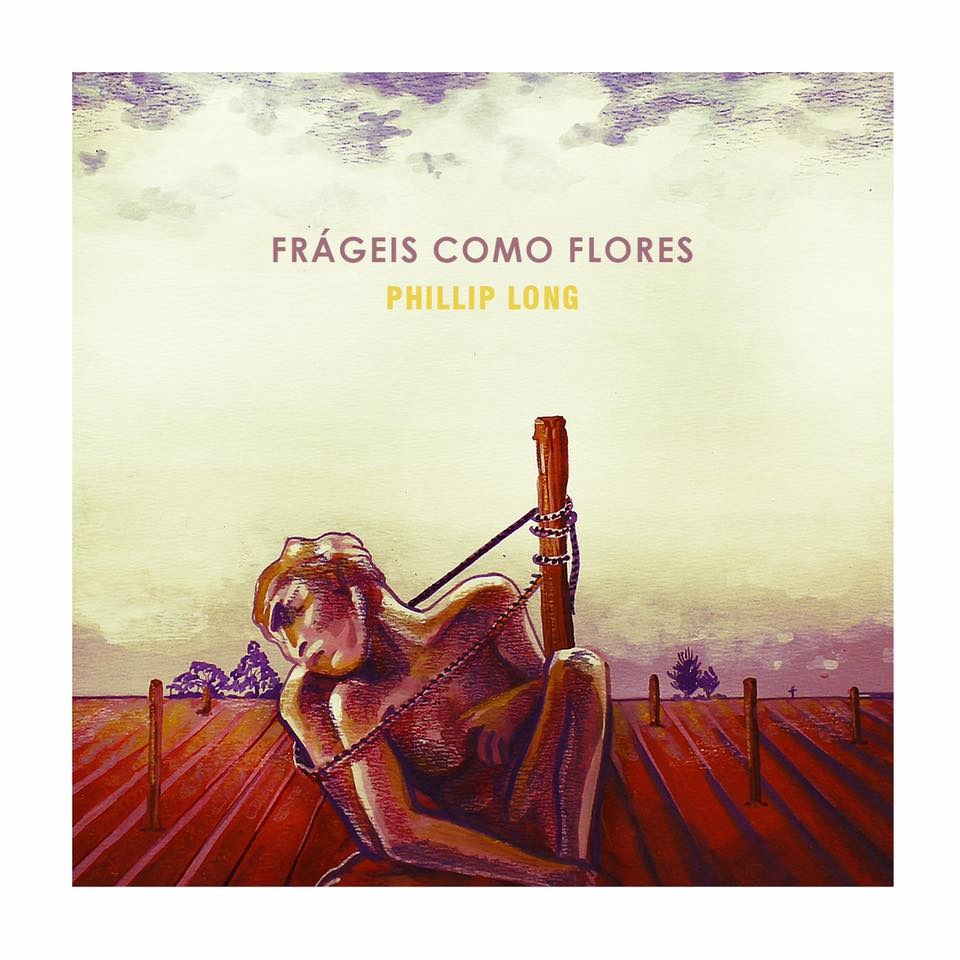
 View Artist