Song Meaning
The lyrics paint a picture of a couple or group who, despite outward appearances of no longer having fun, are actually thriving and finding their own rhythm. The narrator finds humor in the misperceptions of others, stating, "Quem vê diz que a gente já nem mais se diverte / E eu caio na risada." This sets a tone of defiant joy, suggesting that external judgment is irrelevant to their internal experience. The idea of "sorte e esperança" being granted to those who witness them implies a unique, almost enviable energy they possess.
The central tension lies between the public's limited perception and the narrator's rich inner life and self-reliance. While others "vê, mas não sente" (see, but don't feel), the narrator actively engages with their environment and spirituality, taking "Pego a chuva calma e faço minhas orações." This personal connection to the elements and their faith is contrasted with the superficiality of those who "falta, só pra constar" (are missing, just for the record), implying a lack of genuine engagement or understanding.
The most striking craft element is the recurring metaphor of the heart as a compass: "Meu coração minha bússola." This signifies an innate sense of direction and intuition guiding the narrator, independent of external validation or conventional paths. The act of "pulo da jangada" (jumping off the raft) further emphasizes a decisive break from a potentially stagnant or conventional situation, embracing a more authentic, self-directed course.
Ultimately, the effectiveness of these lyrics stems from their assertion of inner truth over external observation. The narrator’s confidence in their own spiritual and emotional compass, coupled with a playful dismissal of detractors, creates a powerful message of self-possession. It’s this quiet conviction, the ability to find joy and direction within, that makes the lyrics resonate.
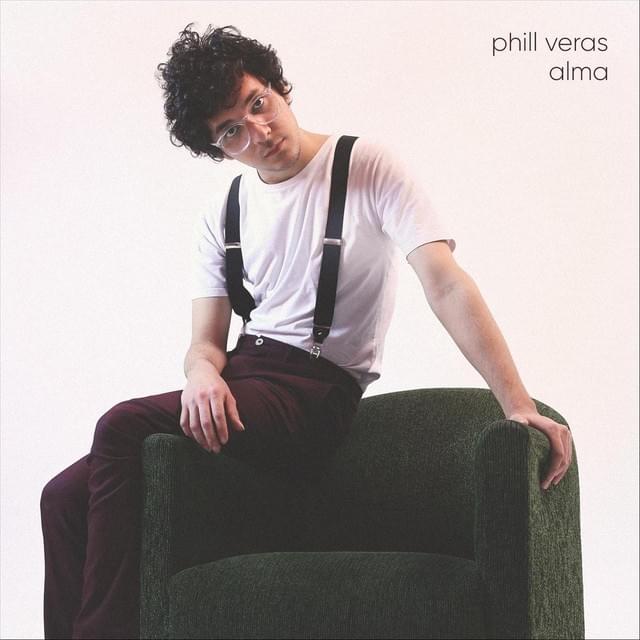
 View Artist