Song Meaning
The lyrics paint a vivid picture of intense longing and emotional captivity. The narrator is consumed by thoughts burning with a "longing" that has lasted for an unspecified but significant amount of time, emphasized by the repetition of "kaç yıldır" (how many years) and "kaç gündür" (how many days). This persistent ache suggests a deep, unresolved emotional state, where the mind is perpetually set ablaze by absence.
The central tension lies in the narrator's complete subjugation to the object of their desire, declaring, "I am again imprisoned by your eyes." This isn't just missing someone; it's a state of being held captive, unable to escape the memory or presence of the other person's gaze. The hands covering the face and silent lips ("Ellerim yüzümde susmuþ dudaklarým") convey a sense of shame, despair, or an inability to articulate the depth of this feeling, while the heart is in "rebellion" ("Isyanlarda gönlüm").
A striking metaphor is presented with "Time is a guard" ("Zaman gardiyandýr"), suggesting that the passage of time, rather than offering relief, actively enforces this state of imprisonment. The longing itself is personified as relentless, giving "no quarter" ("Aman vermez hasretin"). The final lines, "Seagulls inside me / You are in my tears" ("Içimde martýlar / Sen gözyaþlarýmdasýn"), create a poignant image of internal turmoil and sorrow, where the presence of the beloved is inextricably linked to the narrator's weeping.
This lyrical construction is effective because it moves beyond simple sadness to a more profound sense of being trapped by emotion. The imagery of being "imprisoned by your eyes" and time acting as a "guard" elevates the feeling of longing into an active, inescapable condition. The internal "seagulls" and the beloved being "in my tears" powerfully communicate a sorrow that is both vast and deeply personal, making the narrator's emotional state palpable.
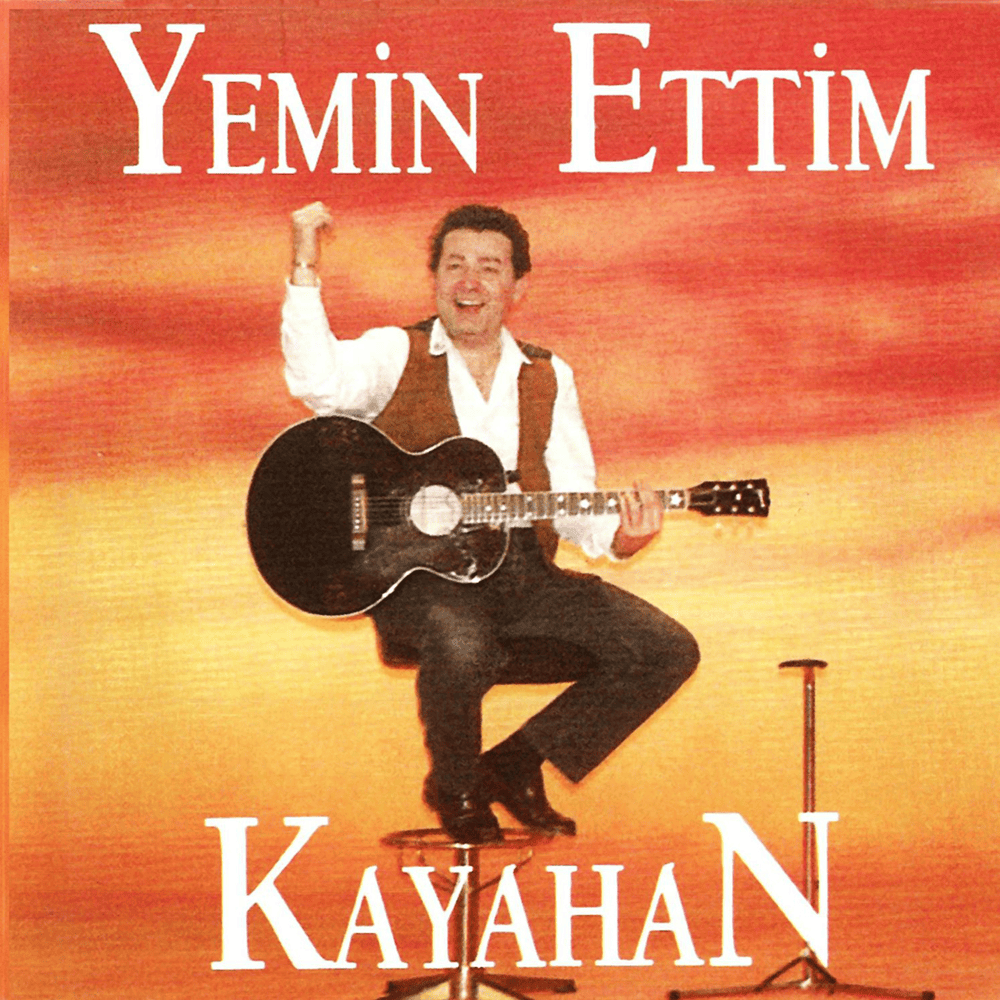
 View Artist