Song Meaning
This song paints a sweet, almost mythical picture of a street musician, Carlo, and his daughter, Delilah. The opening lines establish a simple, joyful scene: a happy father with his newborn, finding inspiration for a song in her very existence. The dominant tone is one of gentle affection and innocent wonder, as Carlo endlessly plays his barrel organ, creating a melody that becomes intrinsically linked to his child. The lyrics suggest a life centered around music and family, a humble yet complete world contained within the notes of a single tune.
This idyllic picture shifts subtly as the song progresses, introducing a layer of enduring legacy. The initial narrative of a father's love expands to encompass the community. The simple melody Carlo composed for his daughter, Delilah, begins to spread beyond their immediate lives, resonating with the "poor street" and its inhabitants. This suggests that the song, and by extension the memory of Delilah and Carlo, becomes a shared cultural artifact, a piece of communal folklore passed from person to person, transcending its personal origins. The lyrics imply that the music itself carries the essence of Delilah, becoming her lasting presence.
The most striking aspect of the craft here is the cyclical nature of the chorus and the subtle evolution of its meaning. Initially, the refrain "Soon the three of us – the barrel organ, you, and I – will walk the whole earth with this song" speaks of a future adventure, a shared journey of father, daughter, and music. However, by the final chorus, after Carlo is gone, the lyrics transform: "Let the years fly by since that time, this song is never allowed to grow old." The promise of a shared journey is replaced by the assurance of eternal life for the song itself. This clever shift highlights how the music outlives its creator and the subject, becoming a timeless entity that continues to be sung, preserving Delilah's memory indefinitely. The repetition of the melody and the name "Delilah" acts as a powerful incantation, ensuring her story's persistence.
Ultimately, the effectiveness of these lyrics lies in their ability to evoke a profound sense of enduring love and memory through simple, repetitive musical imagery. The song doesn't dwell on sadness or loss but instead focuses on the beautiful persistence of a melody and the spirit it represents. The narrative arc, from a father's personal joy to a community's shared tune and finally to an immortal song, is deeply touching. It suggests that even the most humble creations, born from love, can achieve a form of immortality, continuing to bring comfort and a sense of connection long after the original moments have passed.
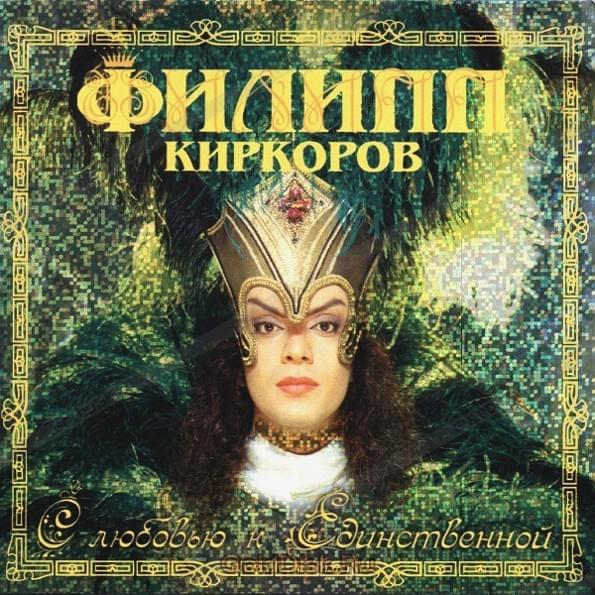
 View Artist