Song Meaning
This aria opens with a plea to a divine figure, "Casta Diva," asking her to illuminate sacred trees and turn her beautiful face towards the supplicants, free from clouds or veils. The narrator implores this "Diva" to temper the "burning hearts" and "bold zeal," wishing for her to spread the peace she reigns over in heaven onto the earth. This sets a tone of reverence and a desperate need for divine intervention and tranquility.
The lyrics then shift, signaling an end to a ritual and the clearing of a sacred grove from "profane" individuals. There's a foreboding mention of an "angry and dark deity" demanding "Roman blood" from a "Druidic sanctuary." This introduces a stark contrast between the desired peace and an impending, violent demand, creating a palpable tension.
The most striking element is the narrator's internal conflict, revealed in the lines "I can punish him" followed immediately by "But my heart knows not to punish." This internal struggle is further emphasized by the passionate yearning for a lost love, begging the beloved to return to how he was "then," when the narrator "gave you my heart." The plea is to return to a state of "faithful first love," promising to defend him "against the whole world."
The effectiveness of these lyrics lies in their dramatic juxtaposition of sacred invocation, ritualistic pronouncements, and deeply personal, conflicted emotion. The narrator's desperate desire for peace and divine calm is shattered by the looming threat of violence and, more profoundly, by her own inability to act against a beloved, even as the situation demands it. This internal paralysis, set against a backdrop of sacred ritual and impending doom, makes the plea for love's return intensely poignant.
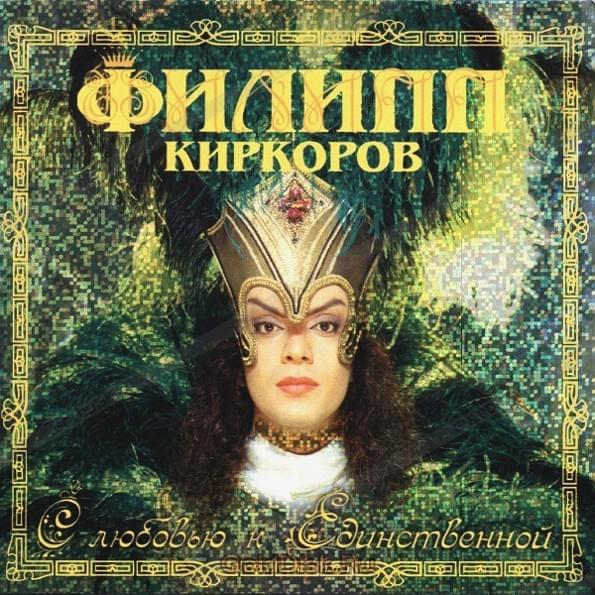
 View Artist