Song Meaning
The lyrics paint a scene of forced conviviality, a desperate attempt to stave off the encroaching darkness and the inevitable solitude. There's an immediate sense of urgency, a need to "kick up the fire" and "let the flames break loose," not for warmth or joy, but specifically "to drive the shadows back." This suggests a fear of what lurks when the distractions cease.
The central tension lies between the prolonged, perhaps superficial, "talk on this or that excuse" and the "instantaneous grief of being alone." The speaker is actively delaying the inevitable end of the evening, aware that once the "guest has stepped into the windy street," the true confrontation begins. The "high bell" striking two o'clock serves as a stark marker of this impending, unwelcome transition.
The most striking image is the "prolific plant, Dumb idleness." This personification transforms a passive state into something active and insidious, growing and spreading across the mind. It’s not just emptiness, but a fertile ground for sorrow, a stark contrast to the manufactured liveliness of the earlier conversation. The lyrics suggest this idleness is the true antagonist, more terrifying than the night itself.
This piece resonates because it captures the quiet dread that follows social interaction, the way manufactured cheer can amplify the subsequent silence. The careful crafting of the contrast between the outward "fire" and the inward "grief," and the chilling metaphor of "Dumb idleness," makes the internal struggle palpable and deeply unsettling.
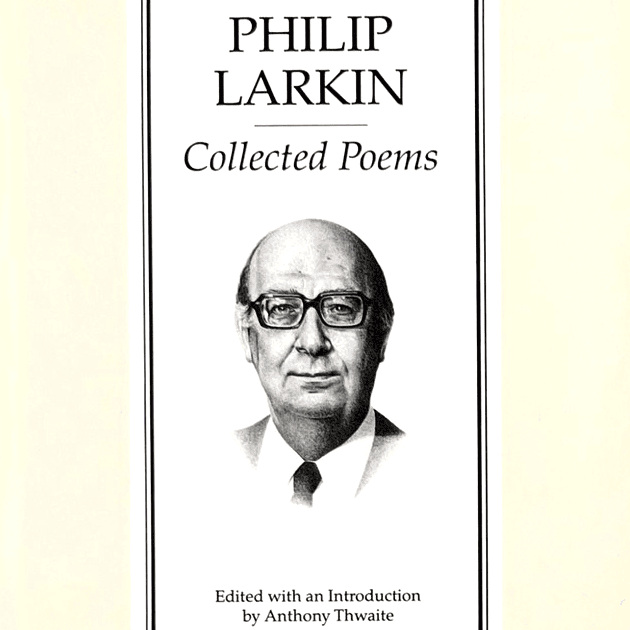
 View Artist