Song Meaning
The lyrics paint a stark picture of sacrifice and triumph, centering on a pivotal moment of suffering that ultimately leads to liberation. The opening verse grounds the listener on a literal hill where blood was shed, detailing the physical wounds – brow, hands, feet – inflicted by nails and thorns. This imagery of violence is immediately contrasted with the profound outcome: 'the veil was torn / To make a way for me.' This establishes a core tension between immense pain and the promise of access or redemption. The repetition of 'You made a way for me' underscores the personal significance of this act.
The central conflict revolves around the juxtaposition of death and resurrection, presented as the ultimate 'victory.' The narrator addresses Jesus directly, using a series of honorifics: 'Savior,' 'God,' 'King,' 'Lord.' This elevates the figure beyond mere human experience. The chorus firmly declares 'The victory is Yours,' attributing the triumph to Jesus. This is further solidified in the second verse, which describes Jesus being laid down as a 'perfect sacrifice,' only to be resurrected, 'Forever You're alive.' The lyrics emphasize a decisive, irreversible conquest over mortality.
The most striking craft element is the direct, declarative language used to describe both the suffering and the subsequent triumph. Phrases like 'blood was spilled,' 'nails and thorns,' and 'wrapped and bound' are visceral and concrete. These are then met with equally forceful pronouncements: 'the veil was torn,' 'the stone was rolled away,' and the repeated, emphatic 'Death has been beaten / The grave has been conquered.' This directness, devoid of complex metaphor, amplifies the impact of the narrative. The bridge's wordless vocals offer a moment of emotional release, a sonic space for contemplation before the final, powerful declarations.
These lyrics are effective because they build a clear emotional arc from suffering to ultimate victory through unwavering faith. The repeated affirmations of Jesus's divine status and the definitive statements about death's defeat create a sense of profound assurance. The focus remains tightly on the transformative power of this singular event, offering a message of hope rooted in a specific, albeit stark, narrative of conquest over the finality of death.
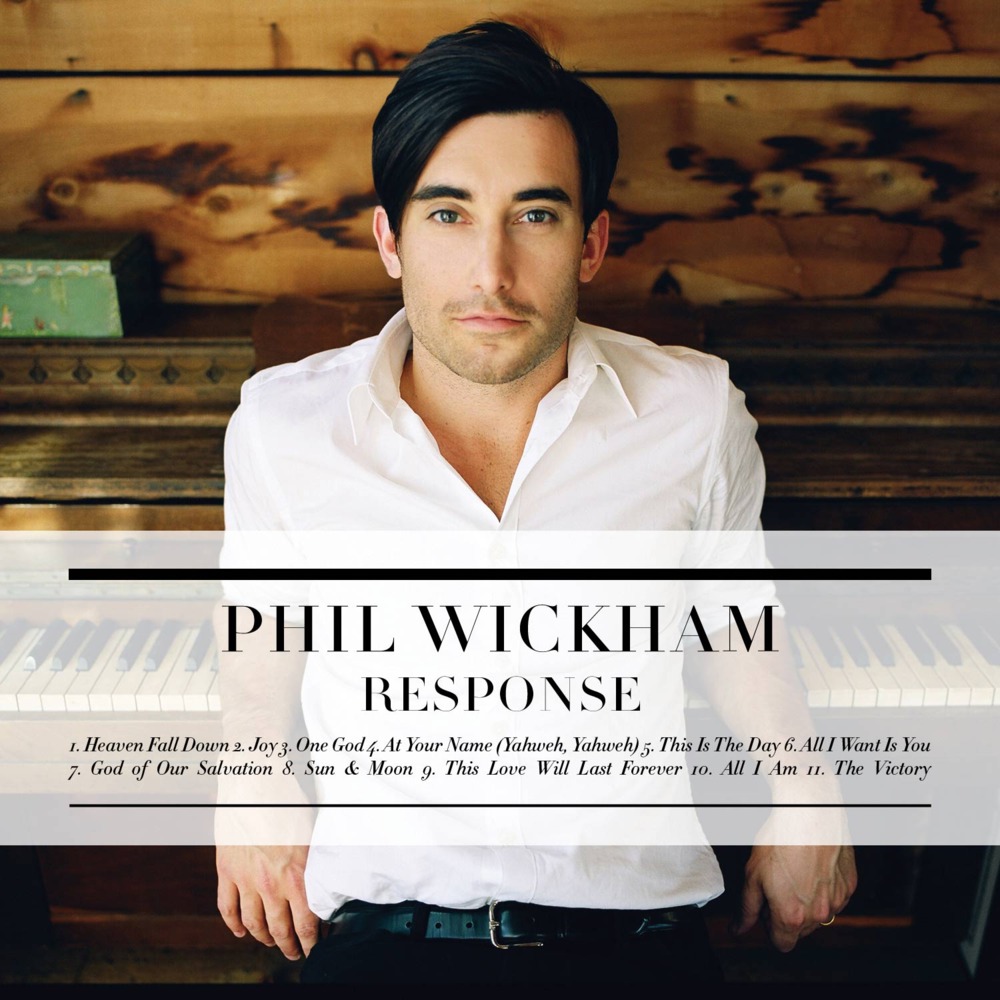
 View Artist