Song Meaning
Phil Keaggy's "Way Back Home" isn't just nostalgia; it's a psychological excavation. The song operates as a journey into the architecture of memory, specifically childhood. Keaggy isn't simply recalling events; he's actively interrogating the impact of formative experiences on his present self. The "wild woods of my past" aren't merely a geographical location, but a symbolic space where identity was forged. The repeated questioning – "I ask what became of the lads and the friends" and later, "I ask what becomes of a man who leaves behind / The memory of youth" – reveals a deep concern with the continuity of self. It’s about assessing whether the man he is aligns with the boy he was, and whether neglecting those roots leads to some form of existential fragmentation.
The imagery in "Way Back Home" is deliberately tactile and sensory. The "winding of the road," the "old stone driveway," and the "old red barn" aren't just descriptions; they are triggers. These concrete details function as anchors, pulling the listener (and Keaggy himself) back into a specific emotional landscape. The "warmth in a mother's love" isn't presented as a saccharine ideal, but as a foundational element of courage and security, allowing the boy to "bravely run to the woods to play." This suggests that early nurturing directly fuels exploration and self-discovery. The water pump incident, taking "a part of me," is a fascinatingly ambiguous line, hinting at both the minor traumas and the defining moments that shape a person.
Ultimately, "Way Back Home" circles around the central conflict between remembering and reliving. Keaggy isn't advocating for a static existence trapped in the past. Instead, the lyrics urge for an integration of youthful experiences into the present. To ignore the "memory of youth" is a form of self-denial, a severing of the very roots that give life meaning. The song's power lies in its ability to make personal reflection feel universal. It’s an invitation to consider how the landscapes of our childhood continue to shape the contours of our adult lives, and to understand that going "way back home" is not just a sentimental retreat, but a crucial act of self-preservation.
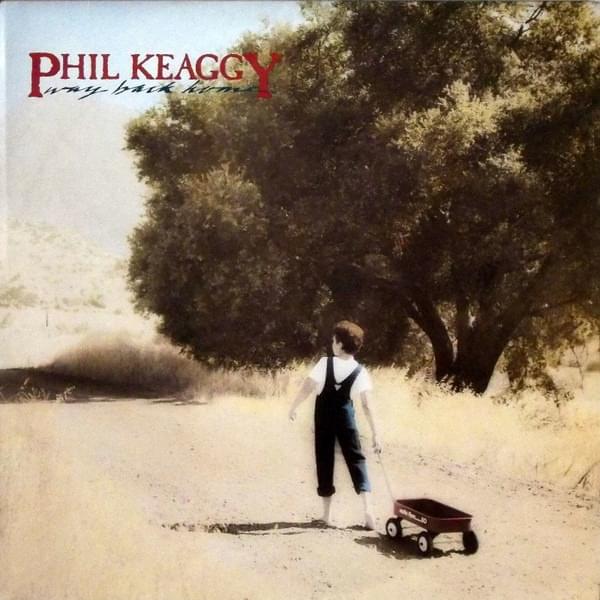
 View Artist