Song Meaning
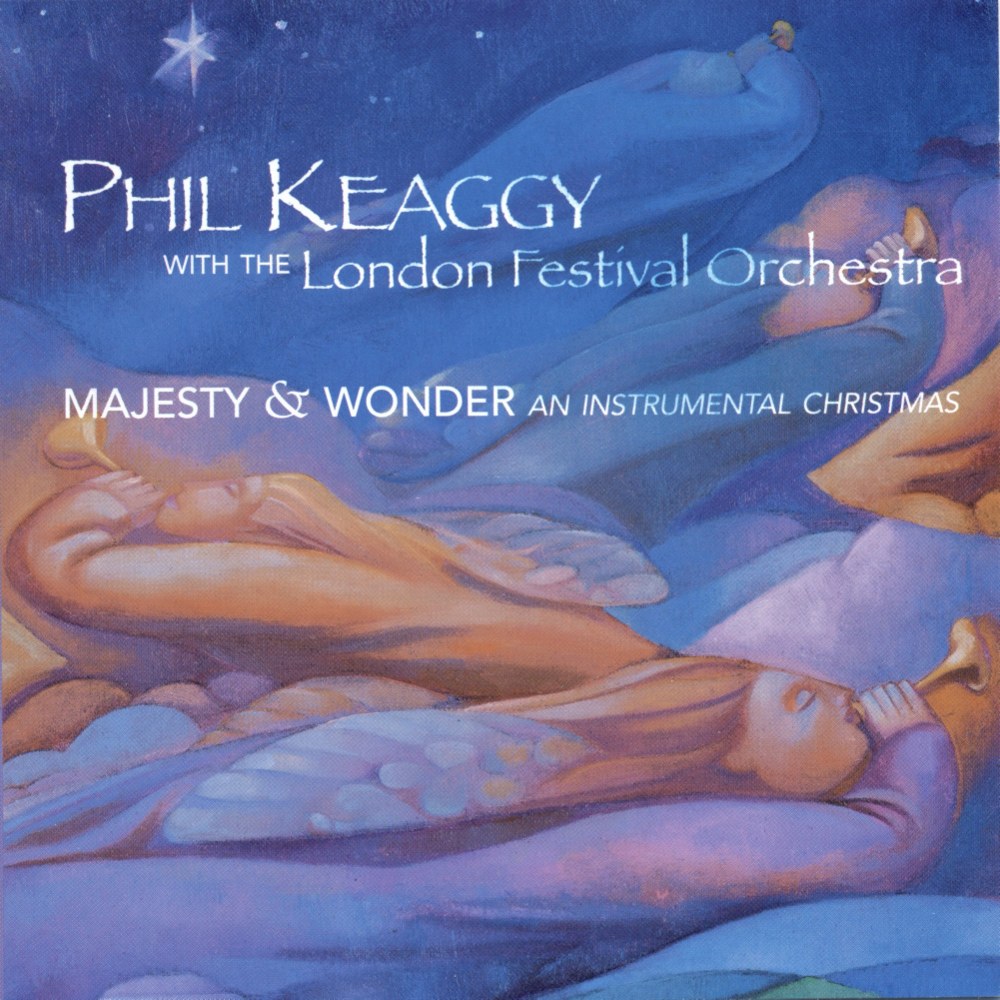
Phil Keaggy's rendition of "O Come, O Come, Emmanuel" isn't just a Christmas carol; it's a yearning, a primal scream echoing through centuries of human longing. The "captive Israel" isn't merely a historical reference. It's a metaphor for the soul trapped in its own darkness, exiled from grace, and "mourning in lonely exile." Keaggy's guitar work, layered with ethereal vocals, amplifies this sense of profound isolation. The song’s power lies in its understanding of the human condition. We are all, in a sense, captive Israelites awaiting deliverance. The repetition of "Rejoice! Rejoice!" isn't naive cheerfulness; it's a defiant act of hope in the face of despair, a spiritual muscle flexed against the crushing weight of existence.
The plea, "O come, Thou Key of David, come / And open wide our heavenly home," digs deeper into the human psyche. It's not just about a physical home, but a craving for psychological wholeness. The "heavenly home" represents inner peace, a state of being where the "path to misery" is closed off. The song acknowledges the inherent human desire to escape suffering, to find a safe haven within ourselves and the world. The "Key of David" symbolizes the unlocking of potential, the removal of barriers to self-actualization. It is an appeal for the tools and strength to navigate life's complexities and find meaning amidst chaos.
Ultimately, "O Come, O Come, Emmanuel", particularly through Keaggy's interpretation, transcends religious dogma. It taps into universal themes of hope, redemption, and the search for inner peace. It acknowledges the darkness within and around us but insists on the possibility of light. It's a musical embodiment of resilience, a reminder that even in the deepest exile, the promise of Emmanuel – "God with us" – remains. It’s a powerful, psychologically resonant piece for anyone who has ever felt lost, alone, or in need of saving, regardless of their spiritual background.
 View Artist