Song Meaning
Phil Keaggy's "Blessed Be the Ties" isn't your grandma's hymn; it's a raw, psychologically astute exploration of commitment's paradox. The song meaning pivots on the inherent tension between the security of connection and the suffocating potential of obligation. Keaggy immediately throws us into the deep end with lines about "scripted lines" and "roles to play," hinting at the performative aspects of relationships and the pressure to conform. The "undertow" suggests a subconscious resistance, a yearning for autonomy that clashes with the chosen bonds. This initial conflict sets the stage for the song's central question: when do the ties that should uplift us instead drag us down?
The dream sequence, where the narrator finds himself "finally left alone," is a crucial moment of vulnerability. It's not necessarily a rejection of love, but a primal scream for individual space. The longing for freedom from obligation is palpable, even if tinged with melancholy ("Never again to feel your whisper pull me to your side"). This verse acknowledges the double-edged sword of intimacy: the comfort of closeness also implies a loss of self-sovereignty. The repeated invocation to "sing blessed be the ties" then becomes less a declaration of unwavering devotion and more a complex mantra, a way to reconcile these opposing forces.
Keaggy introduces a spiritual dimension in the latter half of the song, shifting the focus from earthly relationships to a divine connection. The lines about bearing grief and being "rejected still" suggest a parallel between human suffering and a Christ-like figure. The ultimate tie, the one that truly binds and liberates, is the connection to something greater than ourselves. This interpretation reframes the initial verses. Perhaps the "ties" that pull us low are those built on ego, expectation, and control, while the tie to faith offers a different kind of binding – one of acceptance, grace, and unconditional love. The final plea, "Stay with me, never let go," can be understood as directed both to a human partner and to a higher power, blurring the lines between earthly and spiritual yearning.
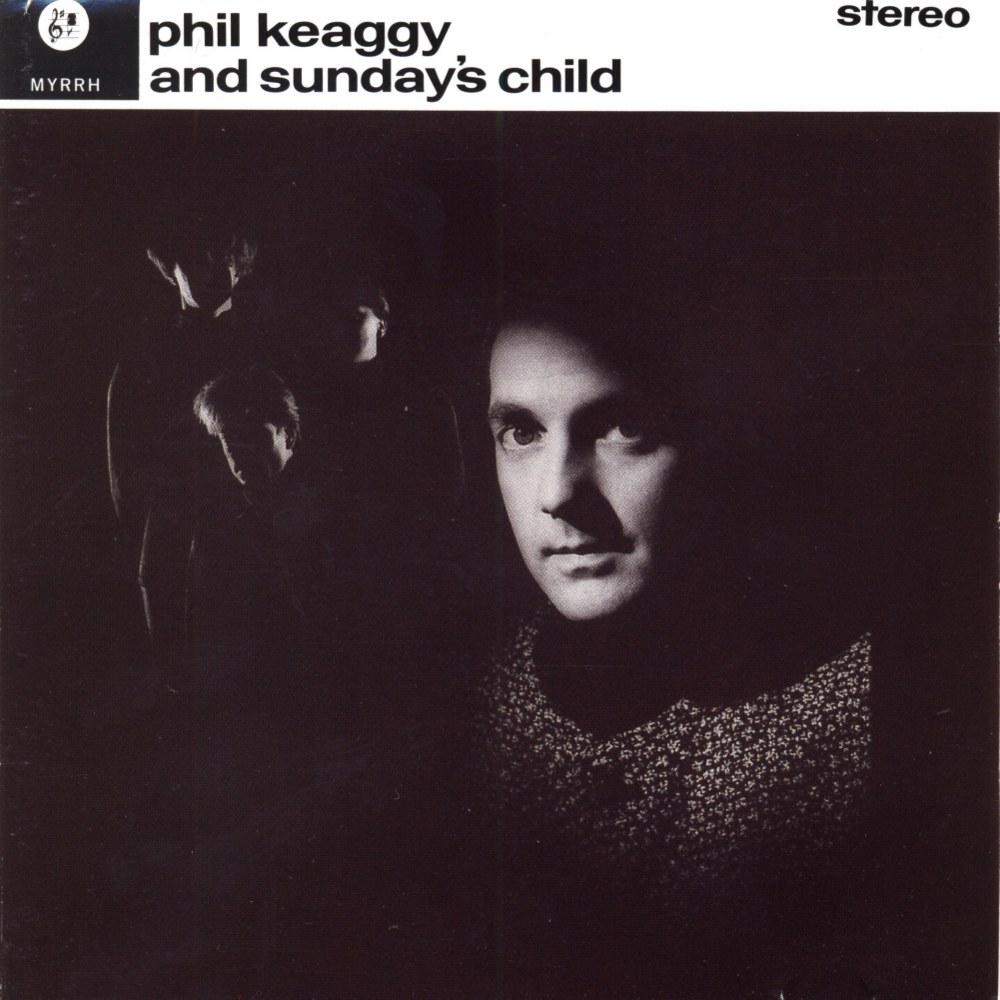
 View Artist