Song Meaning
Phil Keaggy's "Beneath The Blood-Stained Lintel" isn't just a song; it's a visceral invocation of ancient protection against unseen forces. The lyrics immediately plunge us into a world of dread, where a "messenger of evil" stalks the land, demanding a sanctuary that transcends the physical. The "blood-stained lintel" acts as both a literal and figurative barrier, a desperate plea for salvation rooted in sacrifice. Keaggy taps into primal fears, acknowledging a vulnerability that resonates even in our supposedly secular age. The repeated lines emphasize the urgency and the all-encompassing nature of the threat, creating a sonic space where faith becomes the only viable defense.
Delving deeper into the lyrics analysis, the song's core lies in the concept of atonement and divine intervention. The "Lamb of God" reference points to a Christian theological framework, suggesting that the blood symbolizes Christ's sacrifice as a shield against sin and destruction. This isn't simply about warding off physical harm; it's about spiritual safeguarding. The lyrics highlight a covenant, a binding agreement where faith in the "sacred sign" offers refuge. The "foe who seeks to enter" represents not just external danger, but also internal struggles—temptation, doubt, and the darkness that resides within us all. The blood on the lintel, therefore, acts as a constant reminder of redemption and the power of belief.
Ultimately, "Beneath The Blood-Stained Lintel" is a haunting meditation on fear, faith, and the search for protection in a world riddled with uncertainty. Phil Keaggy crafts a sonic tapestry that blends personal vulnerability with universal anxieties. Whether interpreted through a religious lens or a more secular understanding of human fragility, the song's power lies in its ability to tap into our deepest desire for safety and meaning. The image of the blood-stained lintel lingers long after the song ends, a potent symbol of hope amidst encroaching darkness.
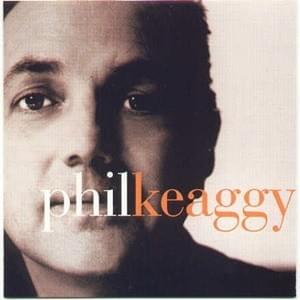
 View Artist