Song Meaning
Phil Harris's "What Have We Got To Lose? (Hi-Ho-Lack-A-Day)" isn't just a Depression-era ditty; it's a sly commentary on the audacity of hope when all material possessions have evaporated. The song’s central question, "What have we got to lose?" becomes a surprisingly potent mantra. Harris isn't lamenting poverty, but rather weaponizing it. He acknowledges the lack of "nickels" and "dimes," but swiftly pivots to the abundance of time and the simplicity of walking. It's a subtle reframing of hardship into opportunity, a psychological jujitsu move against despair. The "Hi-Ho-Lack-A-Day" refrain, initially sounding like a throwaway line, morphs into an anthem of cheerful resignation, a way to shrug off the weight of economic woes. The song suggests that when stripped of everything else, love and companionship become the only true currencies.
The lyrics further propose a whimsical solution to life's problems: "Hi diddy diddy dance song/ That we can sing the whole day long." This isn't mere escapism; it's an active choice to prioritize joy and connection over material concerns. The imagined "diddy dance song" becomes a shield against hardship, a shared language between two people determined to find happiness regardless of their circumstances. It's a reminder that resilience can be found in the silliest of things, and that shared laughter can be a powerful antidote to despair. The reference to Columbus taking a chance cleverly elevates their own seemingly insignificant gamble on love into an act of historical daring.
Ultimately, the song's meaning resides in its optimistic embrace of simplicity. It's a defiant declaration that happiness isn't contingent on wealth or status, but rather on the willingness to take a chance on love and find joy in the everyday. "What Have We Got To Lose?" is an infectious reminder that even in the face of adversity, human connection and a good song can be enough.
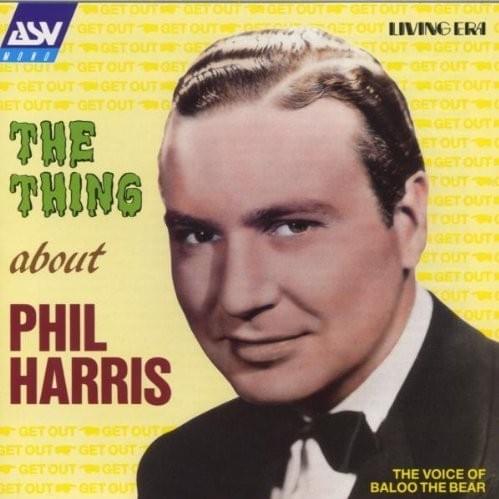
 View Artist