Song Meaning
The lyrics paint a picture of peace as a collective, coordinated endeavor, not just a passive state. It's framed as the unified will of both people and the environment, suggesting a deep, almost spiritual connection to the land itself. This shared intention is presented as the engine for progress, a force that allows humanity to advance together. The invitation to join this effort is direct and inclusive, emphasizing a 'universal prayer for peace for every man.'
The core tension lies in the contrast between the grand, abstract concept of universal peace and the simple, tangible action required to achieve it. The call to 'clap your hands' is disarmingly basic, a stark counterpoint to the weighty idea of 'co-ordinated control' and the 'will of the land.' This juxtaposition highlights a belief that collective action, no matter how small, can manifest profound change. The repeated 'One two three' further grounds this abstract prayer in a rhythmic, accessible beat.
The most striking element is the chanted refrain, 'Hum-Allah.' This phrase, repeated insistently, acts as a sonic anchor for the entire message. Its repetition builds a sense of communal energy and shared focus, transforming the prayer into a participatory experience. The subsequent plea to the 'Prince of peace' to 'ring your bells' and let 'loving never cease' reinforces this desire for a tangible manifestation of peace and enduring affection.
Ultimately, the lyrics resonate because they demystify the pursuit of peace. They suggest that this monumental goal is accessible through unified, simple actions and a shared, vocalized intention. The song crafts an atmosphere of hopeful participation, inviting listeners to become active agents in a collective wish for a more loving world, all initiated by the simple act of clapping their hands.
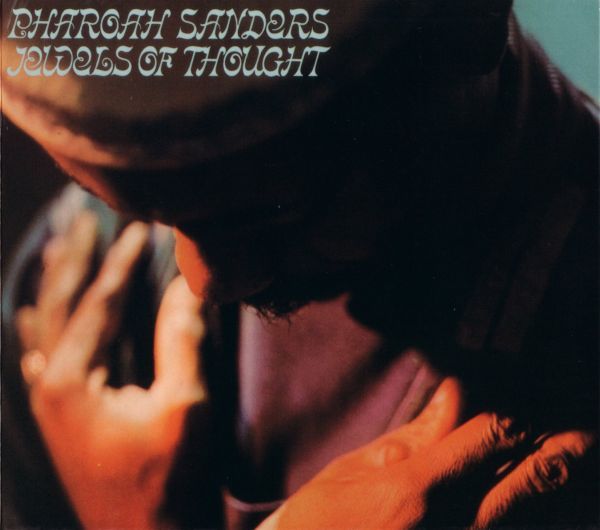
 View Artist