Song Meaning
The lyrics paint a stark picture of a relationship's abrupt end, leaving one person in a state of bewildered regret. The opening lines, "Take a piece, break it off / Leave the crust, the filling's gone," immediately establish a sense of depletion and finality, as if something valuable has been consumed, leaving only the hollow shell behind. This act of taking and running suggests a unilateral decision, leaving the narrator to grapple with the immediate aftermath.
The central tension emerges from a profound role reversal and a loss of agency. The narrator questions their own capacity to navigate this new reality, asking, "Am I the one who's supposed to save you now?" This implies a prior dynamic where they were perhaps the rescuer, but the current situation has left them disoriented and unable to recall how to fulfill that role, or even their own needs. The repeated phrase, "I don't remember how," underscores this disorientation and helplessness.
A striking shift occurs between the first and second verses with the line, "Leave the crust, but kill yourself." This escalation from simply abandoning the remnants to a self-destructive act adds a layer of desperation and darkness to the situation. It transforms the initial metaphor of a broken-off piece into a more dire, potentially fatal consequence, amplifying the narrator's sense of regret and confusion about their place in the fallout.
Ultimately, the power of these lyrics lies in their raw portrayal of sudden abandonment and the ensuing existential confusion. The simple, almost childlike imagery of breaking off a piece contrasts sharply with the profound emotional devastation and the narrator's inability to recall fundamental coping mechanisms. This disjunction between the action and its overwhelming consequence is what makes the regret feel so palpable and the plea for understanding so desperate.
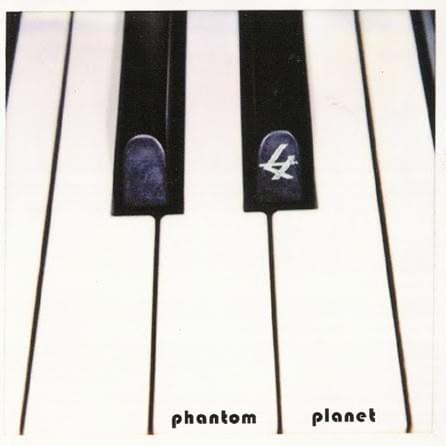
 View Artist