Song Meaning
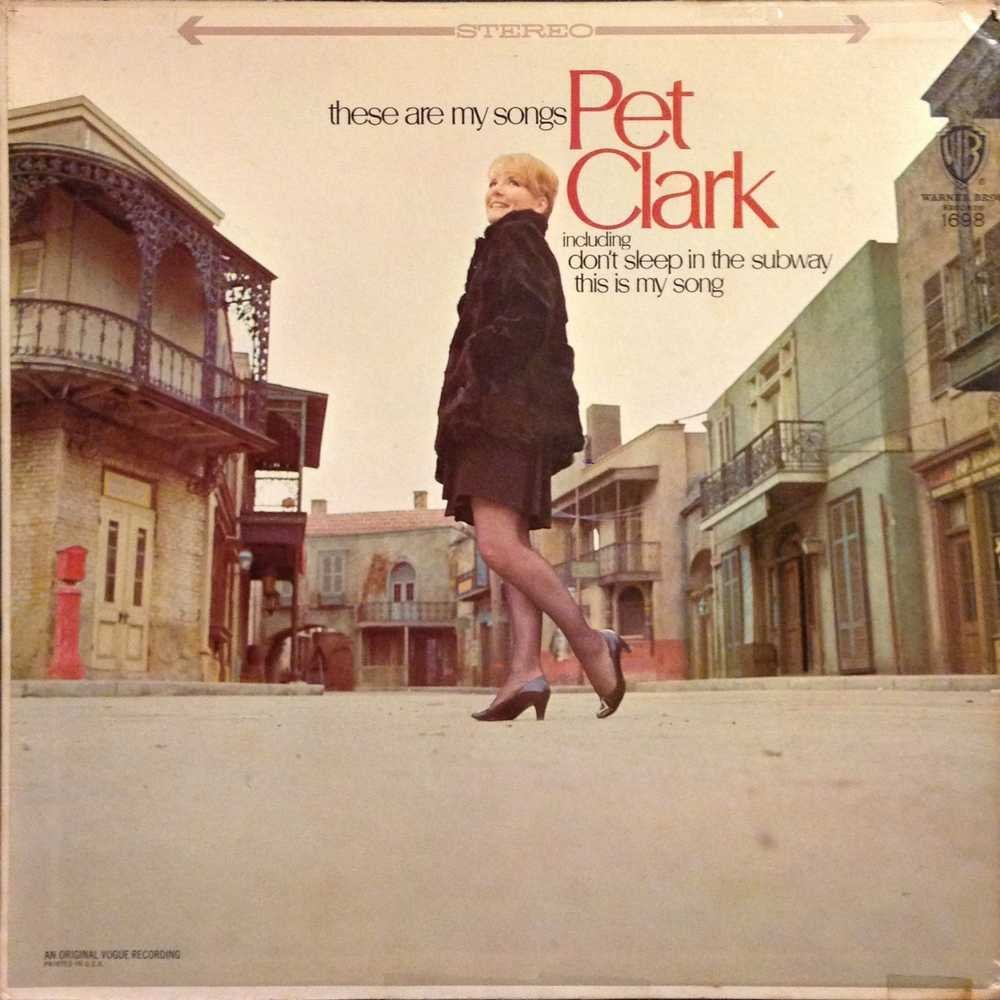
Petula Clark's "San Francisco" isn't just a song; it's an invitation, a siren call echoing across a nation undergoing seismic cultural shifts. Released in 1967, the song arrived as a gentle, almost naive, counterpoint to the anxieties of the Vietnam War era. But within its deceptively simple melody and lyrics lies a potent message of hope and belonging. The flowers in your hair aren't merely a fashion statement; they're a visual signifier, a password into a community that values peace, love, and open-mindedness. The song subtly suggests that by embracing this visual emblem, the listener can both signal their own values and find kindred spirits in a world increasingly defined by conflict. In essence, "San Francisco" promised an antidote to the turmoil of the times.
The repetition of "gentle people" and the promise of a "love-in" underscore a utopian vision. It's a vision of San Francisco as a haven, a place where societal norms are relaxed, and individuals are free to express themselves. The lyrics speak to a generation seeking a "new explanation," hinting at a rejection of traditional values and a yearning for something more authentic and meaningful. This desire for change is palpable, and the song positions San Francisco as the epicenter of this burgeoning movement. It becomes a symbol of hope for those disillusioned with the status quo, a place where alternative lifestyles and philosophies are not only tolerated but celebrated.
Beyond its immediate historical context, the enduring appeal of "San Francisco" lies in its articulation of a universal human desire: the longing for community and acceptance. The song taps into our innate need to belong, to find a place where we feel understood and valued. While the specific cultural landscape of the 1960s may have faded, the underlying message of inclusivity and the promise of a more compassionate world continue to resonate. Petula Clark's iconic song functions less as a geographical guide and more as a heartfelt plea for empathy and understanding, a reminder that even in times of division, the possibility of connection remains.
 View Artist