Song Meaning
Petula Clark's "Invece No" is a masterclass in sonic ambivalence, a pop song that understands the deeply human condition of being trapped by one's own desires. The literal translation, "Instead No," becomes a haunting refrain, a constant negation of the freedom the singer craves. It's not a simple love song; it's a psychological portrait of someone caught in the push and pull of wanting to escape a relationship while simultaneously being unable to let go. The lyrics paint a picture of a woman aware of her own captivity ("So che son prigioniera di te" - I know I'm your prisoner) yet paradoxically drawn to the very thing that confines her. This isn't naivete; it's a conscious understanding of her predicament. She recognizes the freedom that could be hers if she simply walked away, but the 'invece no' underscores the crushing weight of her emotional dependency.
The song's genius lies in its exploration of this internal conflict. Clark isn't just singing about love; she's dissecting the power dynamics within it, the way affection can morph into a gilded cage. The repetition of "No, no" emphasizes the feeling of being cornered, as if every attempt at liberation is met with an internal veto. The repeated lines, "Ti chiederò di stare per sempre con me" (I'll ask you to stay with me forever), are not a declaration of love as much as an admission of defeat. It's a surrender to the intoxicating comfort of the familiar, even if that familiarity breeds discontent.
Ultimately, "Invece No" speaks to the universal struggle between reason and emotion. The singer knows, logically, that leaving would bring her freedom, yet her heart dictates a different path. This inherent contradiction is what makes the song so compelling. It's a reminder that love isn't always rational, that sometimes we choose to stay in situations that cause us pain, not because we're weak, but because the emotional connection, however flawed, is too strong to break. The song's meaning isn't about romantic bliss; it's about the bittersweet reality of human connection and the complex choices we make in the name of love, even when those choices bind us.
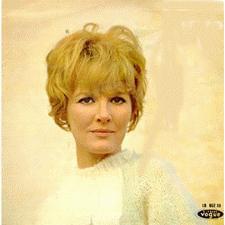
 View Artist