Song Meaning
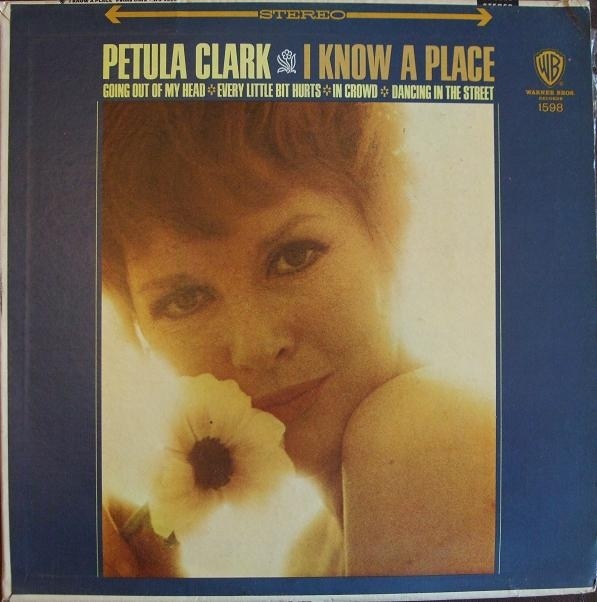
Petula Clark's raw vocal performance in "Every Little Bit Hurts" belies a sophisticated understanding of emotional manipulation. This isn't just a simple tale of heartbreak; it's an anatomy of a toxic relationship where pain and attachment are inextricably linked. The repeated phrase, "Every little bit hurts," becomes a mantra of suffering, highlighting the cumulative effect of constant, low-grade torment. It's not one grand betrayal, but the drip, drip, drip of emotional neglect that wears the speaker down. The lyrics paint a picture of a power imbalance, where one partner holds all the cards. "To you I am a toy / And you're the girl who has the say / Why I should play" reveals a dynamic of objectification and control. The singer is aware of being used, yet remains trapped in the cycle. This acknowledgement, rather than diminishing the emotion, adds a complex layer of desperation.
The song's core meaning isn't simply about being hurt; it's about the agonizing push-and-pull of being both desired and devalued. The line, "You treat me cold / Yet you won't let me go," encapsulates this paradox perfectly. This speaks to the psychology of attachment, where the fear of abandonment outweighs the pain of mistreatment. The singer clings to the hope of reciprocation, promising, "I can give you all the things you wanted me for," revealing a willingness to compromise identity and needs in exchange for affection. This vulnerability, however, is also a source of quiet strength. The act of articulating the pain, of recognizing the manipulative dynamic, is the first step towards breaking free.
Ultimately, "Every Little Bit Hurts" is a study in codependency, a portrait of someone caught in the web of their own longing. While the lyrics express a desire for the partner to return, a closer lyrics analysis suggests a deeper yearning for self-worth. The song's haunting melody and Clark's plaintive delivery amplify the sense of helplessness, but also hint at the possibility of eventual self-rescue. The repetition of the opening lines serves not only as an expression of pain, but also as a form of acknowledgement and perhaps, acceptance, suggesting a slow and difficult journey toward healing and self-discovery.
 View Artist