Song Meaning
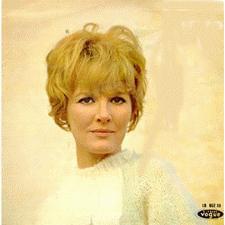
Petula Clark, an artist known for her polished pop sensibilities, takes a dramatic turn inward with "È Finito Tutto," a raw exploration of denial and regret. The song's core tension lies in the chasm between the singer's initial declaration of being "over" a lost love and the subsequent unraveling of that facade. The opening lines drip with a forced indifference, a performance of closure designed to mask the vulnerability beneath. She claims to have forgotten him, to have erased their shared history – a sentiment many can relate to when attempting to cauterize a painful emotional wound. This sets the stage for the emotional reckoning to come.
But the human psyche rarely cooperates with such blunt-force tactics. The lyrics quickly betray this constructed narrative. Insomnia, feverish thoughts, and the inescapable presence of the former lover in her dreams dismantle the carefully constructed wall of indifference. The repeated lines emphasizing his persistent presence in her subconscious expose the depth of her unresolved feelings. This is the crux of the song's emotional power: the stark contrast between the words spoken in the waking world and the truth revealed in the vulnerable space of dreams. The admission of regret, the longing for past intimacy ("Le sere sul mare," "Le frasi d'amore"), paints a vivid picture of what was lost and the singer's desperate desire to reclaim it.
Ultimately, "È Finito Tutto" becomes a poignant study of the self-deception we employ to navigate heartbreak. The final verses, a plea for reconciliation, suggest a fragile hope for a renewed connection. The repeated phrase "E ritornerà l'amor" is less a confident assertion and more a desperate incantation, a hope that shared memories and undeniable chemistry might reignite a dying flame. The song masterfully captures the push-and-pull of longing, the internal battle between the head's desire to move on and the heart's persistent attachment to the past. It is a testament to the enduring power of love and the lingering pain of its absence.
 View Artist