Song Meaning
The lyrics paint a picture of an artist grappling with a perceived loss of relevance and a shift in their creative output. The opening lines immediately dismiss the superficial metrics of rap, contrasting them with the narrator's self-proclaimed 'sadness.' This sets a tone of introspection and a rejection of external validation, even as the narrator admits to feeding 'demons at night' while 'social media stays silent.' This internal struggle is amplified by fragmented imagery: 'buttons in a cigarette pack burst,' a 'black sun' turning 'white and tiny,' and the loss of a once-sharp aim. The narrator appears to be experiencing a personal transformation, perhaps a loss of confidence or a change in artistic direction, which is underscored by the line 'I'm no longer shooting without missing.'
The central tension arises from the narrator's changing relationship with their audience and their own artistic identity. The mention of a 'fan of the album' turning seven and the narrator's subsequent feeling of being 'not needed' by her signifies a disconnect, a passage of time that has rendered their art less relevant to a younger generation. This is further emphasized by the stark contrast between past adoration and present rejection: 'She loved my little songs, almost like Peppa Pig and Putin' versus 'And now, buddy, fuck you, don't hope.' The narrator's plea to 'find friends' and the desperate call to 'bring back Piro' suggest a longing for connection and a return to a past artistic peak, highlighting a profound sense of isolation and a struggle to adapt.
A striking element of the craft is the juxtaposition of raw, almost vulgar self-deprecation with moments of vulnerability and a yearning for validation. The narrator confesses to feeding 'demons' and the imagery of a 'black sun' turning 'white and tiny' suggests a diminishment of their former power or intensity. The repeated phrase 'how much rap weighs' serves as a recurring motif, questioning the substance and value of their art. The shift in the narrator's stated desires, from a past preference for girls to a current interest in 'only boys' for specific physical acts, adds a layer of provocative and unsettling self-revelation, further complicating their identity and artistic persona. The lyrics also employ a jarring, almost absurd, blend of pop culture references and crude language, creating a disorienting yet compelling effect.
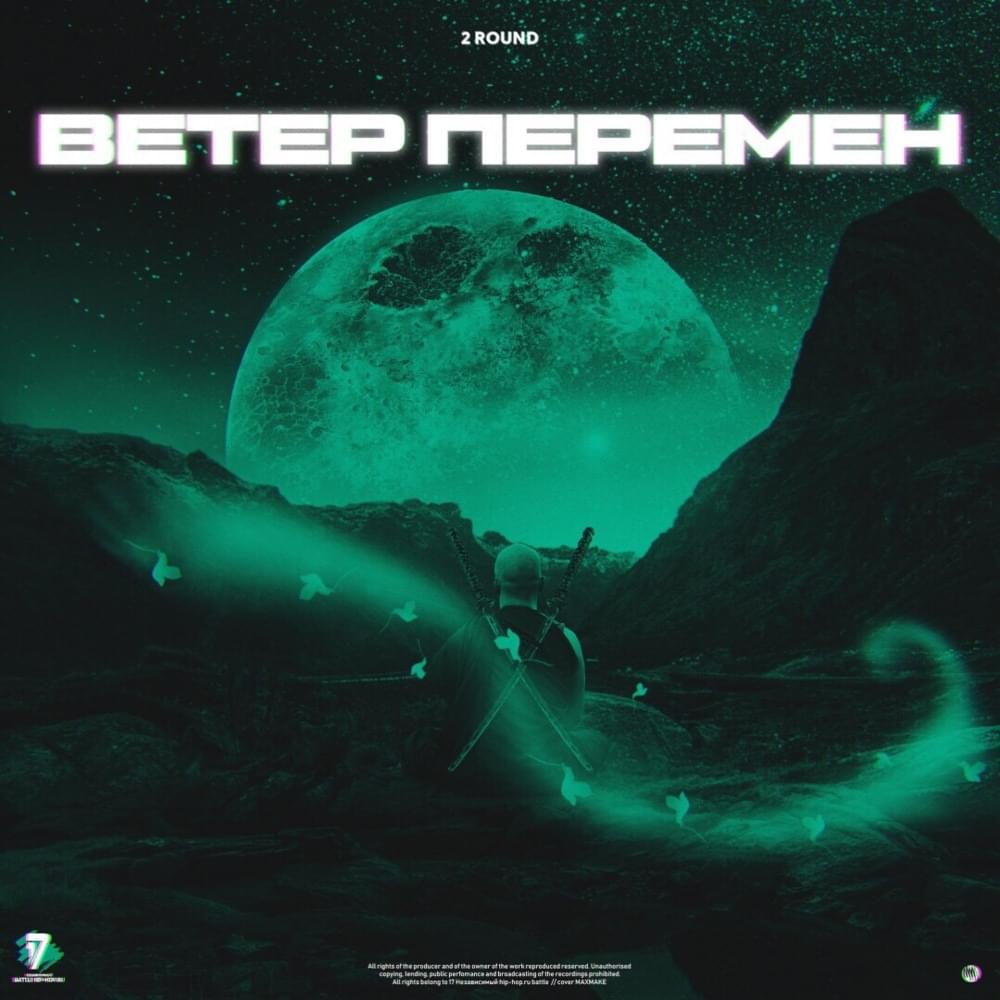
Ultimately, these lyrics resonate because they capture a raw, unflinching look at artistic insecurity and the fear of obsolescence. The narrator's self-awareness, though painful, is what makes the piece compelling. The fragmented narrative and the stark emotional shifts mirror the chaotic internal state of someone confronting their own perceived decline. The repeated calls for a return to a past self or a past artistic era, coupled with the explicit rejection of superficial metrics, create a powerful sense of a desperate artist fighting against the inevitable 'wind of change,' even as they acknowledge their own transformation and the audience's shifting tastes.
 View Artist