Song Meaning
The lyrics paint a picture of a life marked by stagnation and unfulfilled potential, set against a backdrop of communal celebration. The opening lines, "Η σούστα πήγαινε μπροστά / Κι ο μάγκας τοίχο-τοίχο," immediately establish a sense of forward motion that the narrator, described as a "μάγκας" (a term often implying a certain swagger or street smarts), is not participating in, instead clinging to the periphery. This contrast highlights a personal failure to achieve anything significant during these times, a sentiment underscored by the stark declaration, "Δεν έτυχε στα χρόνια αυτά / Τίποτα να πετύχω."
The recurring image of "Ανάβουνε φωτιές στις γειτονιές / Του Αη-Γιάννη" evokes the vibrant, communal energy of St. John's Eve bonfires, a time of festivity and perhaps catharsis. Yet, this outward joy is juxtaposed with a deep sense of loss and remembrance, as the narrator laments, "πόσα ξέρεις και μου λες / Που 'χουν πεθάνει." This suggests that beneath the surface of celebration lies a profound awareness of past tragedies and lost lives, a burden of memory that weighs heavily.
The lyrics then shift to a more profound sense of being overwhelmed and subjected to fate, describing a placement "πάνω στην κορφή / Στ' αγριεμένο κύμα." This imagery, particularly when linked to "Στης Σμύρνης τη καταστροφή / Στ' άδικο και στο κρίμα," points to historical trauma and injustice. The narrator feels cast adrift amidst immense suffering and unfairness, suggesting a personal connection to or deep empathy for these devastating events.
Ultimately, the song captures a poignant tension between the present moment's fleeting celebrations and the enduring weight of past sorrows and personal disappointments. The craft lies in its ability to evoke a specific cultural moment – the St. John's Eve fires – and use it as a canvas to express a deep-seated feeling of being left behind, haunted by history, and unable to escape a sense of personal failure and collective grief.
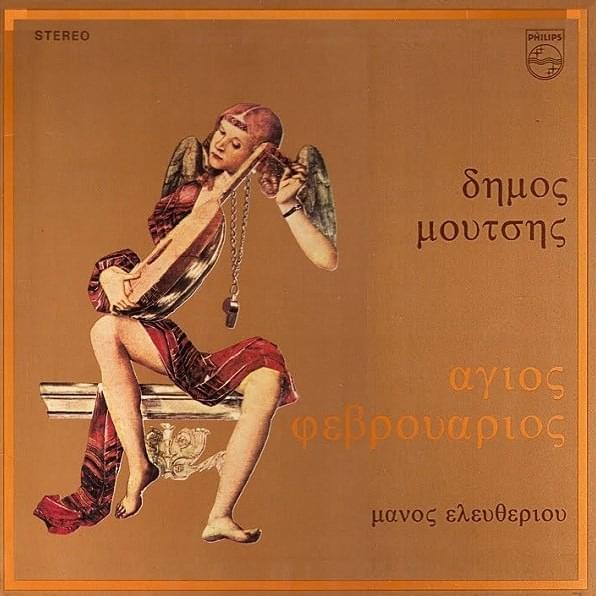
 View Artist