Song Meaning
The lyrics paint a picture of a monotonous, almost robotic daily existence. The narrator wakes early, performs routine tasks like brushing teeth, and then embarks on a crowded commute. This daily grind is characterized by a profound lack of connection, as the faces on the transport are familiar but offer no meaningful interaction. The repetition of the commute and the feeling of being just another passenger on the same route highlights a sense of shared, yet isolated, experience.
The core tension lies between the external demands of life – the job, the commute, the routine – and the narrator's internal detachment. While physically moving through the world, the mind seems to wander, humming "lazy nonsense." This internal state offers a subtle escape from the drudgery, a quiet rebellion against the predictability of the day. The tram driver sleeping and still delivering the narrator to work further emphasizes a world where things just happen, with little active engagement required or offered.
The most striking element is the contrast between the narrator's outward compliance and inner disengagement. The phrase "Líné nesmysly" (lazy nonsense) repeated twice acts as an anchor for this feeling. It's not a grand existential crisis, but a quiet, almost comfortable surrender to the mundane, punctuated by moments of internal, aimless thought. The return home mirrors the morning's routine, reinforcing the cyclical nature of this life, finding comfort "in the safety of four walls."
This lyrical approach is effective because it captures a specific, relatable ennui without melodrama. The simplicity of the language and the focus on everyday actions – brushing teeth, looking at postcards, watching TV – grounds the feeling of detachment. The narrator's contentment with this routine, even finding solace in "lazy nonsense" and a quick escape before bed, suggests a quiet acceptance of a life lived on autopilot, finding a peculiar peace in the absence of demanding thought or interaction.
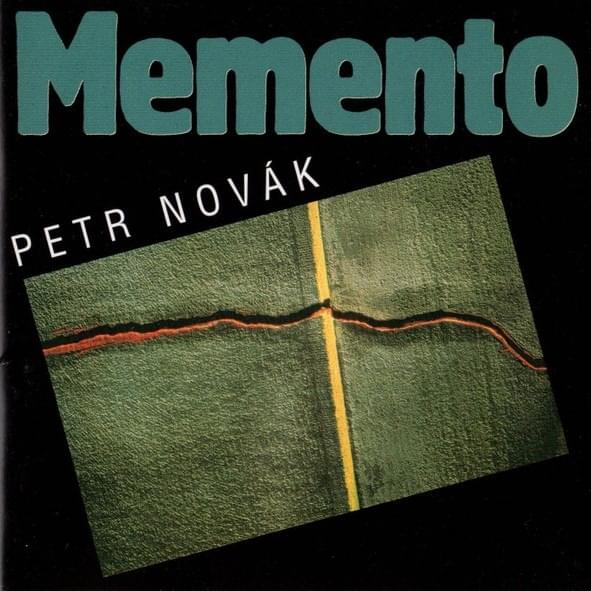
 View Artist