Song Meaning
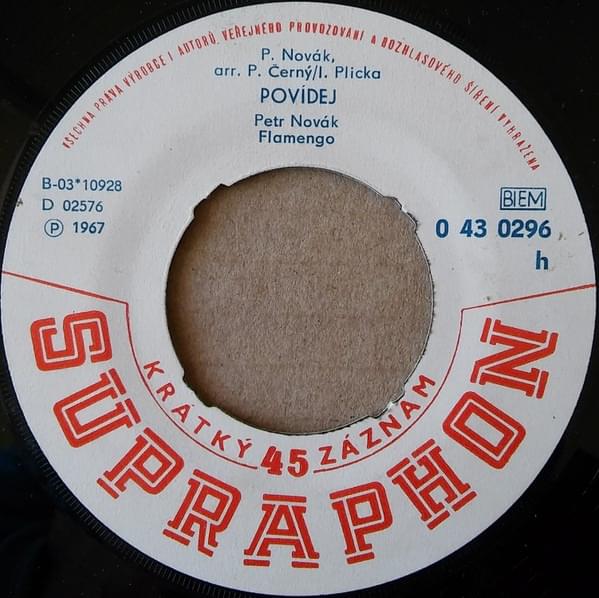
The lyrics paint a raw, almost desperate picture of someone grappling with a past relationship, fixated on the details of their ex-partner's new life. The narrator repeatedly prompts their former lover to "tell me" (Povídej), creating a tense, interrogative atmosphere. This isn't a gentle inquiry; it's a demand for confirmation of their own lingering pain and the perceived finality of their separation. The repeated questions about whether the new partner loves them as much, kisses them goodnight, or if the ex-lover misses the narrator, reveal a deep-seated insecurity and a need to quantify the loss.
The central tension lies in the narrator's simultaneous desire for information and their own refusal to engage further. They ask if the ex-lover was left by the narrator, or if the ex-lover left them for someone else, suggesting a complex and possibly painful breakup. The phrase "it's been a long time now" (to už je dávno) is repeated, acting as a refrain that underscores the passage of time, yet the narrator's obsessive questioning implies they are still very much stuck in the past. This creates a poignant contrast between the objective reality of time moving on and the subjective emotional stagnation.
The most striking aspect of the craft is the relentless repetition of "Povídej." This single word, repeated at the beginning of almost every line, becomes an incantation, a desperate plea, and a tool of self-torture. It’s as if the narrator believes that hearing the answers, no matter how painful, will somehow provide closure or validation. The shift in the latter half, where the narrator declares "I'm not coming back" (ne já se nevrátím) and offers only to "pay back" their love (Svou lásku ti vyplatím), suggests a moment of attempted self-preservation, a fragile attempt to regain control amidst the emotional wreckage.
These lyrics hit hard because they capture that universal, yet intensely personal, struggle of letting go. The narrator’s fixation on specific, intimate details—a kiss goodnight, missing someone when going to sleep—makes the abstract pain of heartbreak feel incredibly concrete. The writing doesn't offer easy answers or a neat resolution; instead, it immerses the listener in the messy, unresolved emotions of someone caught between the past and a present they can't fully embrace or escape.
 View Artist