Song Meaning
The lyrics paint a stark picture of displacement and a desperate search for refuge. The opening lines immediately establish a sense of vulnerability: "Und wir hatten keine Höhle" (And we had no cave) and "Und wir fanden kein Versteck" (And we found no hiding place). This lack of shelter forces the subjects into uncomfortable, exposed conditions, sleeping "im Gegröle" (in the uproar) and sitting "nachts im Dreck" (at night in the dirt). The dominant tone is one of harshness and exposure, a feeling of being cast out.
The central tension arises from the city's rejection and the narrator's response to it. The city "hat uns erbrochen" (vomited us out) into its chaotic nights, yet instead of succumbing to this harshness, the subjects find solace "Einer in des andern Fell" (one in the other's fur). This intimate connection becomes their only refuge, a fragile shelter built from mutual dependence against the indifference of their surroundings. The repeated phrase "Mein Menschentier" (My human animal) underscores this primal, almost animalistic bond as their sole source of comfort.
The lyrics employ striking imagery to convey the city's alienating nature and the narrator's perception of it. The city is described as "tote Hose" (dead pants, meaning boring/dead) with houses that "steh'n dumm rum" (stand around stupidly), suggesting a lifeless, unfeeling environment. This external decay mirrors an internal breakdown where "was fest war, das ist lose" (what was firm is now loose) and "was grade war, ist krumm" (what was straight is now crooked). The narrator's desperate plea, "Irgendein Loch brauchen wir doch" (We need some hole after all), highlights the fundamental need for a safe space, however small or imperfect.
This writing is effective because it grounds abstract feelings of alienation and vulnerability in concrete, visceral images. The contrast between the harsh external world and the intimate internal bond creates a powerful emotional resonance. The repetition of "Mein Menschentier" transforms a potentially derogatory term into an endearment, emphasizing the deep, almost instinctual connection that forms the core of their survival strategy against a world that has cast them out.
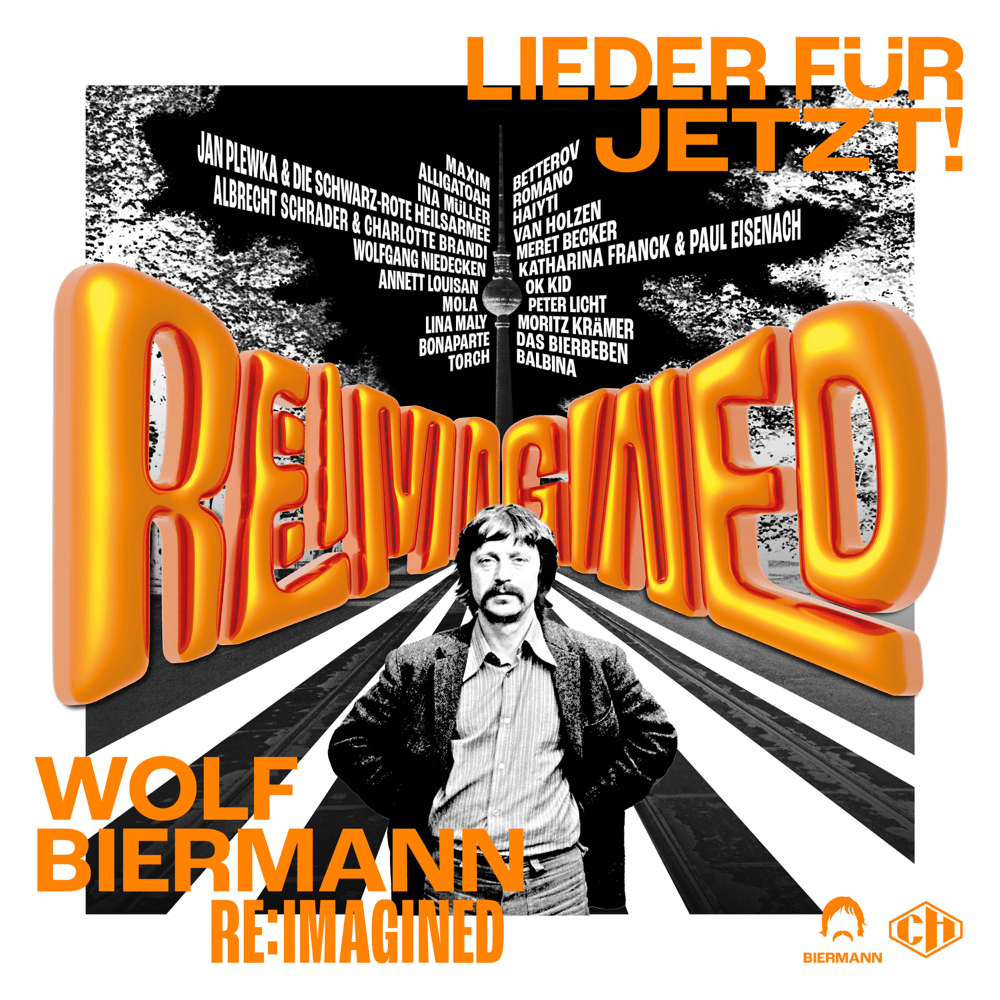
 View Artist