Song Meaning
The lyrics paint a stark picture of isolation and a desperate search for connection, beginning with a scene of darkness illuminated by unexpected light. The narrator finds themselves in a house with "Menschen der Schwärze" – people of darkness – yet they "leuchteten wie Sterne in der Nacht," suggesting a shared, albeit hidden, luminescence in a bleak environment. This initial image sets a tone of finding solace or shared humanity in unexpected places.
The core tension emerges from the concept of "Dämonen" arriving, a force that seems to strip away differences and reveal a fundamental solidarity. The lyrics pose questions about faith and the path to understanding – "ob dein Gott ein Baum ist oder ein Skorpion / Oder das Nichts oder die Liebe" – highlighting the diverse and often abstract nature of belief systems. Regardless of these individual paths, the arrival of these "Dämonen" seems to be the great equalizer, making "jeder, der ein Mensch ist, dein Freund."
The journey described in the third verse is abstract and symbolic, moving from a mountain to a sea, and finally to a "Scheibe" (pane or disc) that breaks. This breaking of a barrier, and the subsequent act of "nahm ich wen raus" (I took someone out), implies a liberation or rescue, a tangible act of connection born from overcoming an obstacle. It's a powerful image of breaking through separation to reach another.
Ultimately, the effectiveness of these lyrics lies in their stark, almost allegorical presentation of shared humanity in the face of overwhelming adversity. The repetition of the refrain hammers home the idea that true connection is revealed not in comfort, but in crisis. The contrast between the "Menschen der Schwärze" and their starlike glow, and the abstract journey leading to a concrete act of rescue, creates a resonant message about finding unity when confronted by the "Dämonen."
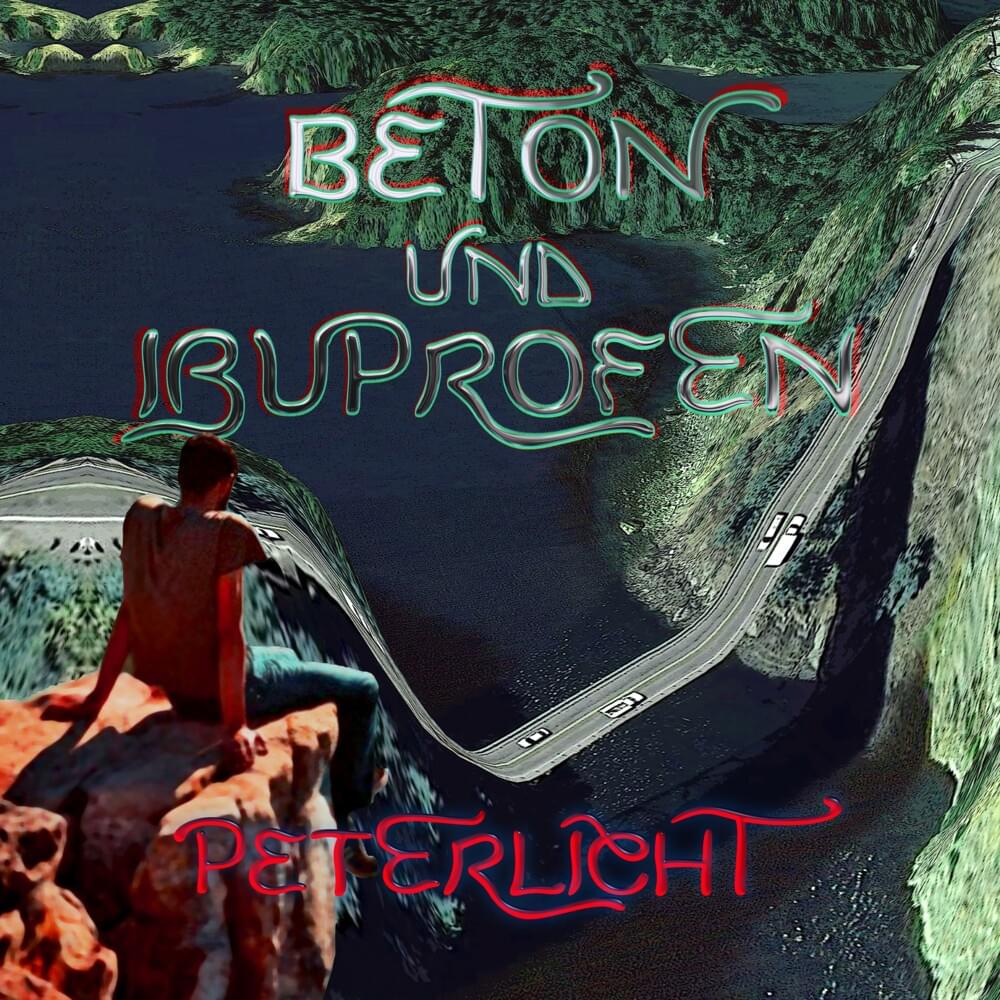
 View Artist