Song Meaning
The speaker in "Pretty Mary" announces a departure, initially citing parental disapproval and poverty as the reasons. He bids farewell, suggesting a somber, class-divided romance. However, the narrative quickly pivots, revealing a far more complex and personal reason for his leaving. This abrupt shift redefines the entire emotional landscape of the lyrics.
The central tension isn't merely external pressure but a stark internal conflict. The speaker directly addresses "Pretty Mary," asking if she'd find him "unkind" for speaking his mind. This preamble leads to a blunt confession: "Last night I was with her, tonight I am gone." This revelation of another woman completely undermines the initial, seemingly sympathetic reasons for his departure.
The structural choice to repeat the opening lines in the final verse is particularly effective. After the bombshell confession, the line "My horses ain't hungry, they won't eat your hay" transforms. It no longer solely signifies humble independence or a rejection of her family's provisions; it now seems to imply a deeper refusal to commit to Mary, perhaps because his affections are already elsewhere.
These lyrics are effective because they expertly subvert expectations. What begins as a classic folk tale of lovers thwarted by social standing quickly becomes a more morally ambiguous story of a man leaving, not just out of necessity, but due to a prior entanglement. The abruptness of the confession, framed by the initial, almost traditional lament, leaves the listener with a sense of betrayal and a character far more complex than a simple victim of circumstance.
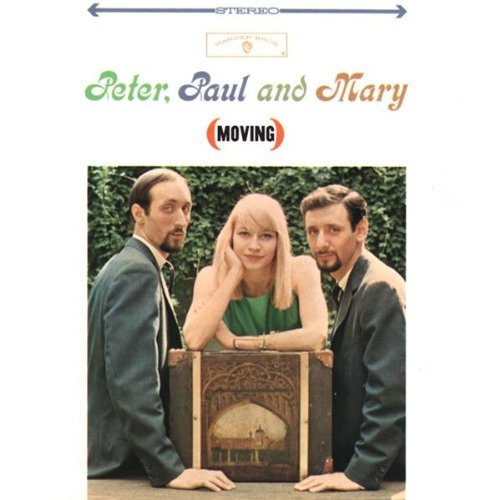
 View Artist