Song Meaning
The lyrics paint a picture of ethereal longing, starting with abstract notions of "freedom" and the "spirit." This initial vagueness quickly grounds itself in a deeply personal, almost devotional observation of a "face." The narrator seems to be grappling with presence and absence, seeking solace in the memory or imagined form of another. The repetition of "I am not alone" acts as a mantra, a desperate reassurance against an underlying sense of isolation.
The central tension lies in the narrator's attempt to solidify an intangible connection. They "trace your feet / Like transparent thrones," an image that blends reverence with a sense of unreality. This pursuit of the beloved feels like an act of creation, as the narrator "dream[s] of your clinging" and "draw[s] you with kole," suggesting a desire to manifest or hold onto this person. The "shadows / Of light and clay" further emphasize this push and pull between the spiritual and the material, the remembered and the real.
The most striking aspect is the juxtaposition of grand, almost cosmic imagery with intimate, sensory details. "Water lily" and "freedom" float alongside the visceral memory of "that scent" and the physical act of tracing feet. The repeated phrase "Your face" becomes the anchor, the singular point of focus amidst this swirling abstraction. It’s the tangible element that the narrator clings to, the source of their stated lack of loneliness, even as the surrounding language suggests a profound disconnect from concrete reality.
Ultimately, the effectiveness of these lyrics stems from their ability to evoke a powerful sense of yearning through a delicate balance of the abstract and the concrete. The narrator’s insistence that they are "not alone" feels both like a genuine comfort derived from memory and a poignant admission of their current state. The writing creates a space where memory and imagination become a sanctuary, a place where a "face" can hold the weight of "freedom" and banish the feeling of solitude.
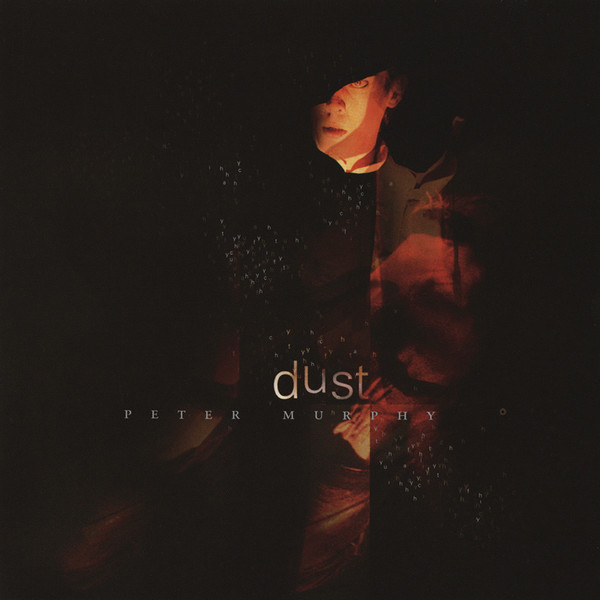
 View Artist