Song Meaning
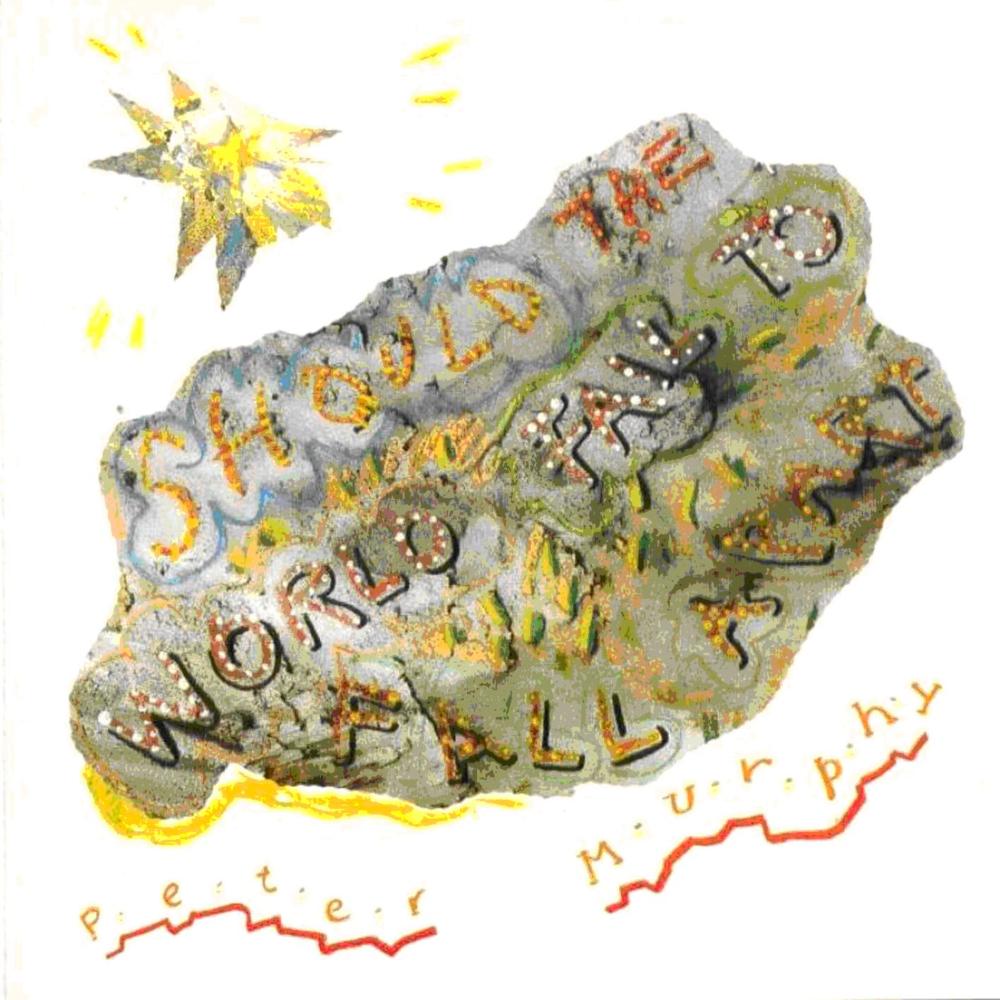
The lyrics paint a stark picture of someone projecting their own insecurities onto another, likely a child, while simultaneously revealing their own deep-seated anxieties. The opening lines, "Teach him to be happy / Teach him some control," immediately establish a tone of instruction, but the subsequent verses suggest this teaching is rooted in the speaker's own struggles. The narrator observes someone with "sunken eyes" and a "see through disguise," someone desperately seeking validation or a "good hook." This person is accused of trying too hard to "see what you want," implying a willful blindness to reality.
The core tension lies in the speaker's accusation that the subject is "kicking out at them" and "judging all the time," yet the lyrics subtly reveal this behavior is a reflection of their own internal state. The narrator points out the hypocrisy: "As you criticise the bull / You do it just as fine." This suggests the subject is embodying the very flaws they condemn in others, trapped in a cycle of self-deception and outward projection. The repeated phrase, "That's all you've seen / That's all you've got," underscores a sense of limited perspective and ingrained patterns.
The most striking craft element is the mirroring and projection. The speaker instructs someone to teach a child, but the descriptions of the subject – their "sunken eyes," "desperate for a good hook," and constant criticism – feel like a self-portrait. The narrator seems to be observing their own "movement of fear" and projecting it onto the subject, who in turn is teaching a child. The final lines, "Teach him to be happy / Teach him some control / Teach him what his friends are / This is the movement of fear ha," bring this full circle, implying the entire act of teaching and judging is driven by the speaker's own fear, a fear they are inadvertently passing on.
 View Artist