Song Meaning
These lyrics open with a stark confession: "My sin is a decade long guest / Accepted as a norm." This immediate image paints a picture of a long-held burden, something so ingrained it's become part of the everyday. Yet, this heavy start quickly pivots to a powerful declaration of self-acceptance and the "promising the possibility" of inherent worth, directly addressing an individual named Eliza.
The central tension here lies in the speaker's journey from this normalized "sin" to a profound sense of deservingness. The repeated phrase, "I am born to be myself," and its echo, "You were made to be yourself," suggests a fundamental shift in perspective. It's a rejection of past self-perception, asserting an innate right to authenticity and "Worthy of this joy" — a direct counter to the decade-long guest of sin.
The craft truly shines in the insistent repetition of "Eliza free yourself." This isn't just a suggestion; it's an urgent, almost hypnotic command, transforming Eliza from a mere name into an embodiment of liberation. The speaker further declares, "The Gift of my unlimited intelligence / I am unique," positioning themselves as a creative force, a "painter on the hearts of those I sing for." This powerful self-affirmation is coupled with a radical rejection of suffering, stating, "Pain is not a necessity / Neither is it God's will," dismantling common justifications for enduring hardship.
Ultimately, the lyrics are effective because they chart a compelling path from internal bondage to radical self-acceptance and freedom. The evolution of Eliza into "Eliza the Buddha girl" suggests a spiritual awakening, a peaceful yet powerful state of being that transcends past struggles. This journey, punctuated by declarations of uniqueness and the urgent call to "free yourself," resonates as a deeply empowering anthem for anyone seeking to shed old skins and embrace their true self.
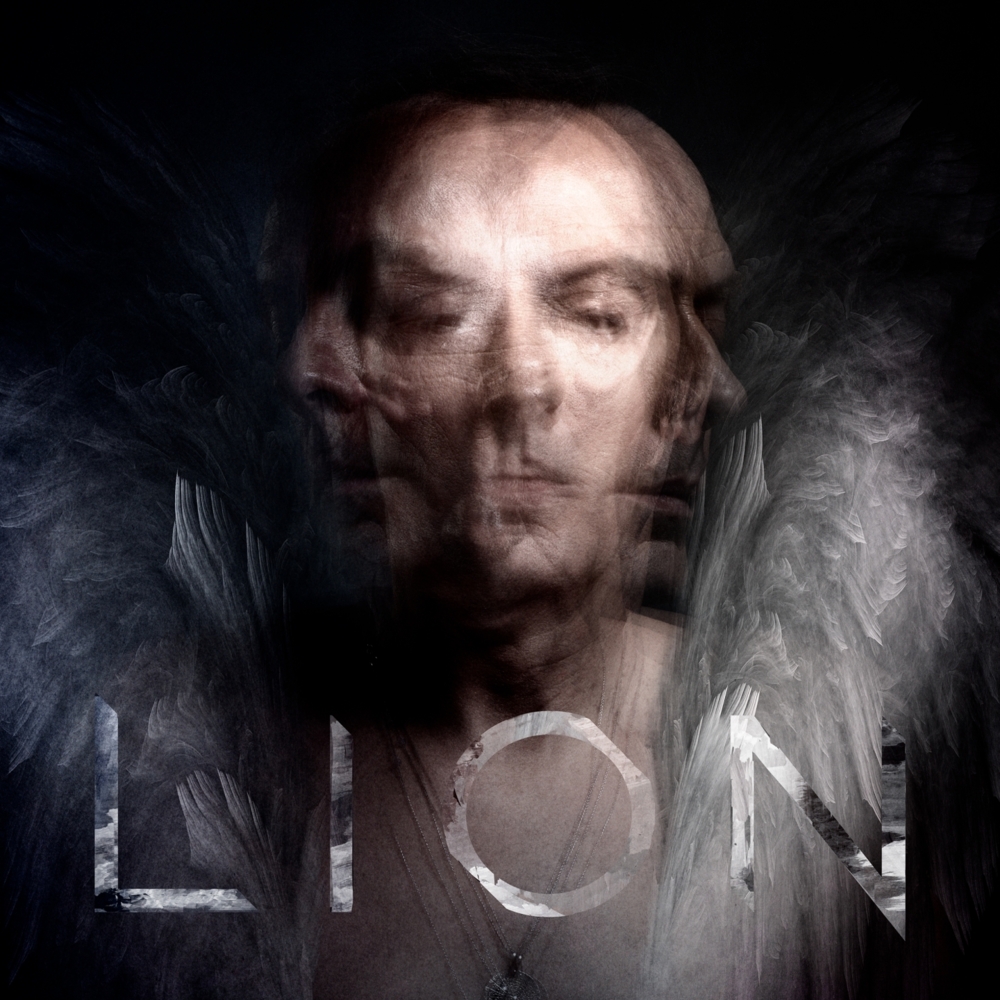
 View Artist