Song Meaning
This song lays bare a raw vulnerability, pleading for gentle treatment because the narrator's heart is decidedly not made of wood. The opening lines immediately establish a desperate plea: "Can't you see I love you? / Please don't break my heart in two." This isn't a casual request; it's a confession of fragility, directly stating, "That's not hard to do / 'Cause I don't have a wooden heart." The implication is clear: unlike an inanimate object, this heart is susceptible to pain and damage.
The central tension revolves around the fear of abandonment and the potential for profound suffering. The narrator explicitly states, "And if you say goodbye / Then I know that I would cry / Maybe I would die." This hyperbolic expression underscores the depth of their emotional investment and the devastating impact a departure would have. The repeated assertion, "'Cause I'm not made of wood," serves as a constant reminder of their human frailty in the face of potential heartbreak.
The most striking lyrical device is the contrast between the desired state of being and the narrator's reality. The inclusion of the German phrase "Muss i denn, muss i denn / Zum Stadtele hinaus" introduces a sense of unavoidable departure or separation, a potential external force threatening the relationship. This external pressure clashes with the internal plea for steadfastness, highlighted by "There's no strings upon this love of mine / It was always you from the start." The lyrics emphasize a pure, unmanipulated love that deserves reciprocal care, not indifference.
Ultimately, the song's power lies in its direct, almost childlike honesty about emotional dependence. The repeated, simple declarations of not having a "wooden heart" and the pleas to "Treat me nice, treat me good" create a potent sense of earnestness. It’s this unvarnished admission of vulnerability, the fear of being broken despite a deep commitment, that makes the song resonate as a sincere expression of a fragile heart seeking security.
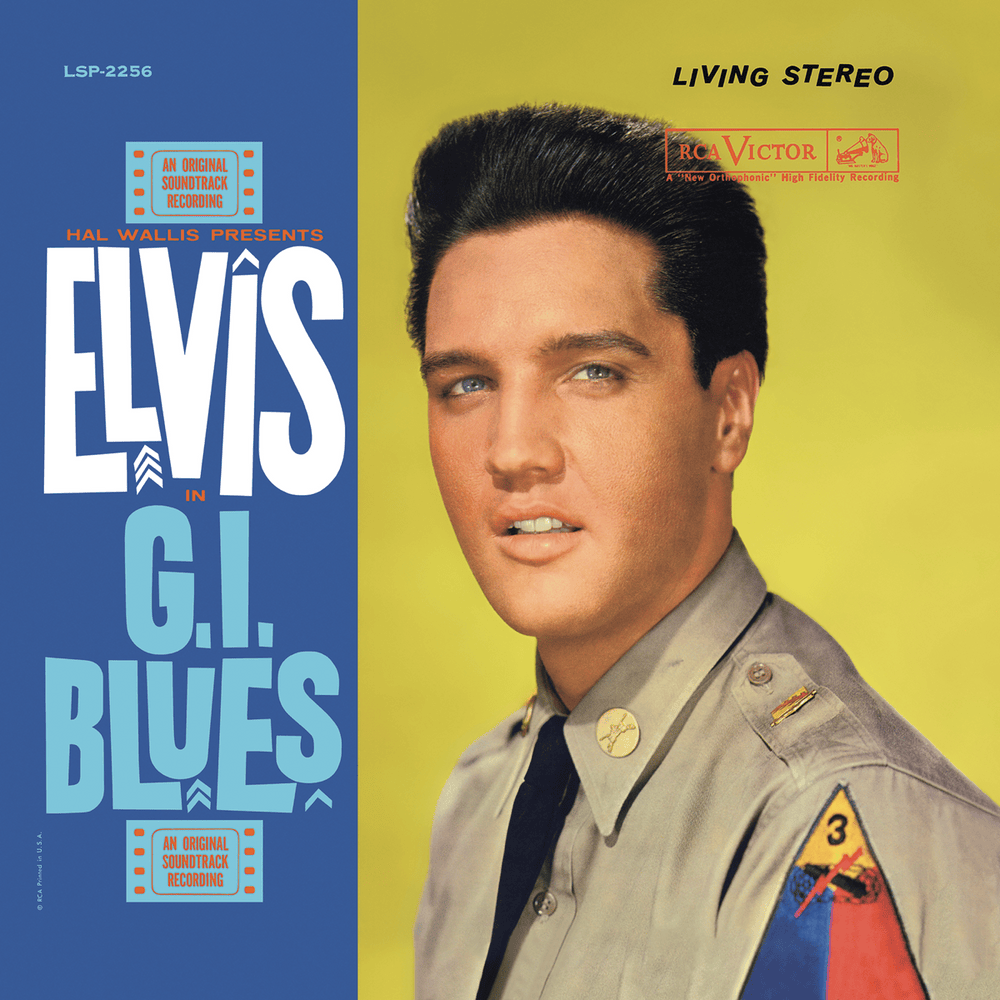
 View Artist