Song Meaning
The lyrics present a profound surrender, a plea for divine guidance and acceptance of fate. The narrator repeatedly invokes "your will," suggesting a deep spiritual or existential submission. The opening lines establish a stark choice: silence or speech, stillness or song, all contingent on this higher power's decree. It's a powerful declaration of relinquishing personal agency in favor of a perceived greater plan, a quiet yet potent act of faith.
The central tension lies in the contrast between the narrator's potential for expression and their willingness to be silenced. The repeated phrase "If it be your will" acts as both a condition and a prayer, highlighting a desire for alignment with a divine purpose. This isn't a passive resignation, but an active offering of self, where even the act of speaking or singing is framed as a gift to be granted, not a right to be exercised. The narrator waits to be "spoken for," indicating a profound need for validation and direction from an external source.
The imagery of the "broken hill" is particularly striking, suggesting a place of desolation or hardship from which praise is offered. This isn't a pristine temple, but a scarred landscape, implying that beauty and devotion can arise even from ruin. The idea of singing "praises" from such a place, and the hope that "rivers fill" and "hills rejoice" if allowed to sing, paints a picture of redemption and renewal tied directly to the act of expression. The "burning hearts in hell" and "rags of light" further amplify this, presenting a world in desperate need of the mercy and healing that the narrator hopes will be granted.
What makes these lyrics so resonant is their raw vulnerability and the elegant simplicity of their structure. The repetition of "If it be your will" creates a hypnotic rhythm, drawing the listener into the narrator's state of deep contemplation and surrender. The lyrics don't demand answers but offer a space for profound questioning and acceptance, suggesting that true strength can be found not in control, but in the willingness to yield to something larger than oneself. The final lines, "And end this night / If it be your will," encapsulate this ultimate hope for peace and resolution, entirely dependent on that divine decree.
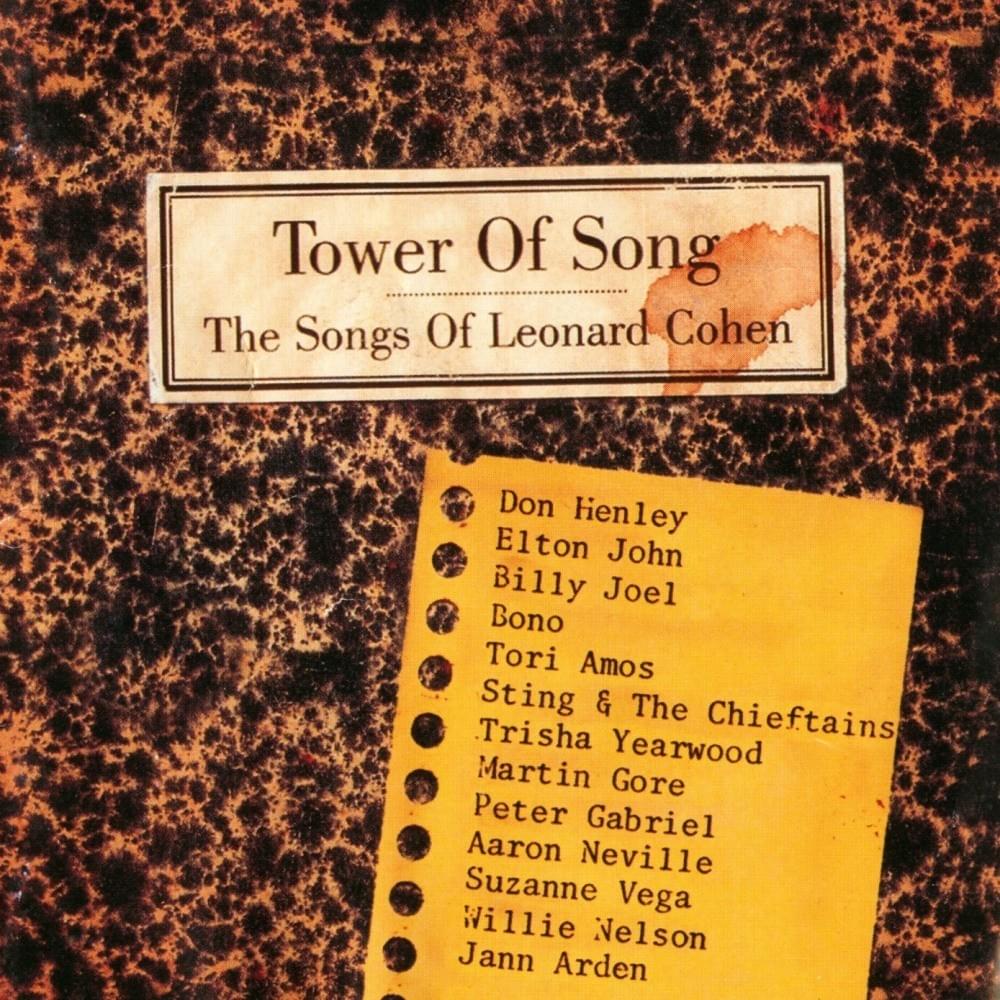
 View Artist